
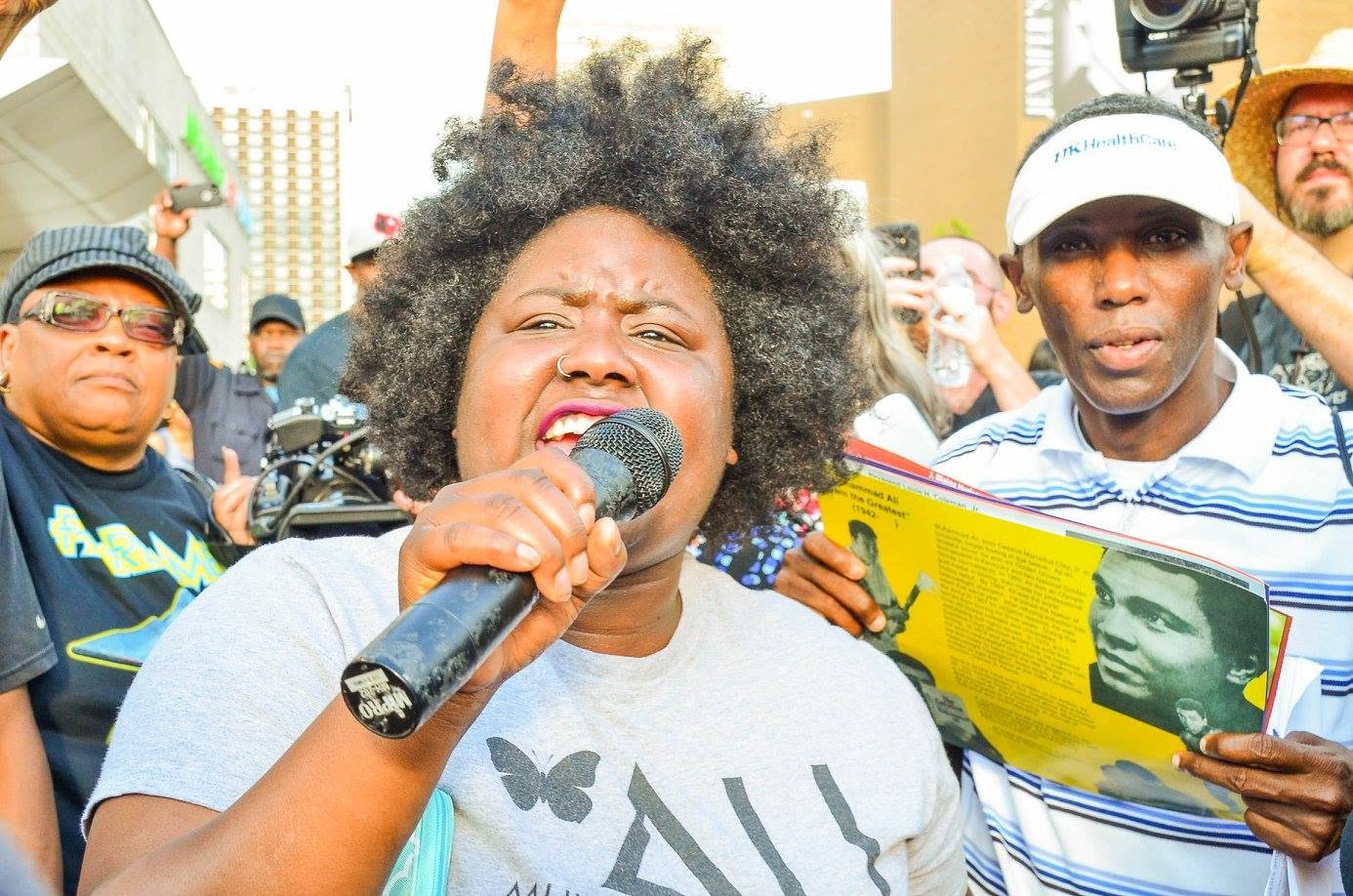
As a hometown hero, beloved community organizer, and content creator , Talesha Wilson’s light is a beacon for Louisville residents who would like to know themselves, and their city, as deeply as Wilson does. The Task Force is thrilled to have her join us as an Ambassador for Creating Change 2027.
Wilson’s role in the community isn’t easy, requiring a balancing act between acting as a courageous problem-solver who engages the everyday community member and a curious leader who questions the integrity of systems that claim to advance Black equity.
“We live in a world that is headstrong on making our lives difficult – when we try to live easy, soft, gentle lives with each other,” Wilson said.
It is the central reason Wilson is a local ambassador for Creating Change 2027, which will take place less than 10 minutes from her local high school.
“I don’t want to be this unique leader. I don’t want to be this thing that feels unachievable, like you can’t touch it,” Wilson said. “You can touch everything that I’m doing because we are right here with each other. I’m in the hood with my cousins. I’m also in the boardrooms with the people. You can be anyone and do this work, and that’s the type of movement leader that I am wanting to be and exude.”
Always BlackAF
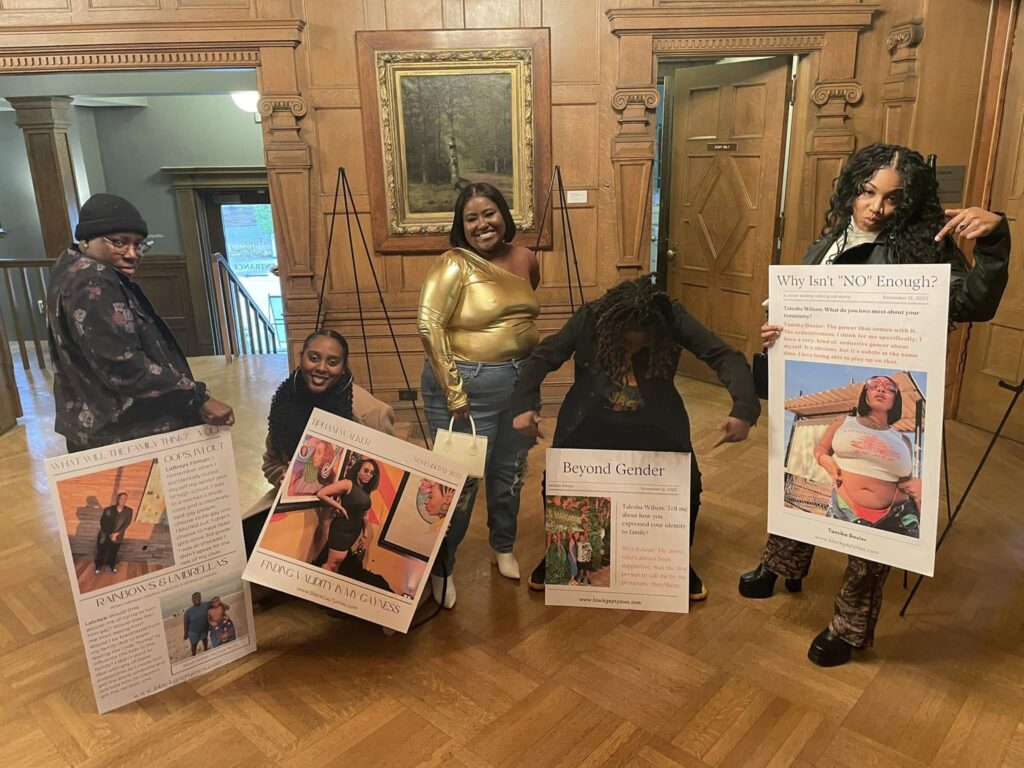
As the co-executive director of Black Leadership Action Coalition of Kentucky Action Fund (BlackAF), Wilson’s pride begins in Louisville’s West End. She grew up with a hustler as a father and fearless go-getter for a mother, as both instilled an unapologetic demeanor built by confidence, community, and self-knowing.
“My daddy – he cooked, he did carpentry, renovated homes and was a barber. He was a hustler and he cared about the specifics,” Wilson said. “My mother always allowed me the freedom to speak up, say what’s on my mind. She was very big on ‘Say whatever you need to say to me, because if you can speak up to me, you can speak up to l other people.’”
But, for Wilson, growing up in Louisville’s Blackest area also meant recognizing they were the least prioritized. “But, in my lived experience, it’s fun, it’s joy. We are loud. We eat. We talk. We make sure our neighbors are good,” Wilson explained. “That is the story that I want other people in the city to know. West End Louisville is Black culture.”
Her first act of resistance took place at Central High School, when a beloved Pan-Africana teacher Mr. X, was reprimanded during Black History Month for his support of reparations. Wilson worked with her classmates to stage a protest in support of X.
“We [walked] out of the class, right at 1 p.m. since school was over at 2:20,” Wilson said. “I was willing to take that risk. I had an advantage here because with my grandma and mama I wouldn’t be in any trouble. I’m willing to be a voice for my folks…and, over time, I’ve learned how to build their skills and confidence to speak up for themselves.”
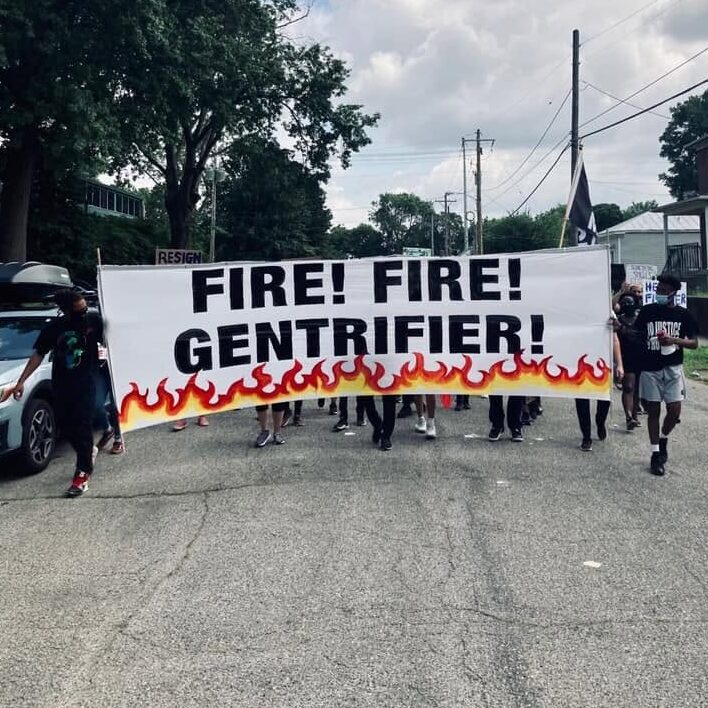
Wilson Paves The Way
Wilson continued her advocacy work throughout college, serving as an ambassador for the University of Louisville’s LGBTQ+ center. She also interned under Marian Vassar, the executive director of the university’s diversity and equity efforts.
“People weren’t talking about racism, sexism, homophobia, transphobia. People were uncomfortable with being called in to check their implicit biases, and I was helping people navigate those conversations,” Wilson explained. “I started my own community organization called Diversity at The Table where we talked about how gender, race, class and sexuality all intersect with each other on a regular basis.”
Then, tragedy struck on the backdrop of COVID-19. Breonna Taylor was murdered by the Louisville Police Department under the guise of arresting her partner Kenneth Walker, sparking outrage in Wilson’s hometown and across the world. “A friend of mine that I went to high school with kept talking about it, kept talking about Kenneth,” Wilson said. “I didn’t know Kenneth intensely, but me and him rode the same bus [in high school.]”
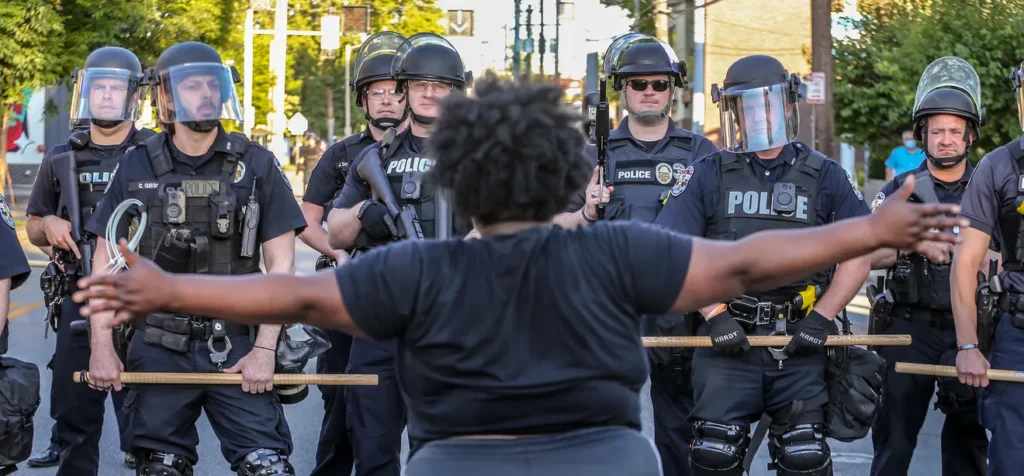
Wilson sprung into action, protesting downtown while the Louisville Courier Journal shared jarring images of tanks, military involvement, and officers in protest gear. “It was a war zone, so chaotic, so scary. We were not prepared,” Wilson recalled. Tensions from the protest led to a mass community call-in where Wilson and other politically engaged activists gathered to discuss safety precautions. “I was trying find venues but I said, ‘I’m just going to open up my backyard, we’re going to have direct action training.”
“There were so many white people asking, ‘What do you need?’ I was there to tell them what we needed; water, juice, stuff to help with tear gas. We need snacks. We needed everything. I grabbed my poster pads to roll out what they thought needed to be discussed. We talked about, if you’re going to be down there protesting, how to be safe and effective.”
The protests of Summer 2020 actualized Wilson’s mission to normalize advocacy both for the community and individuals. Her work ballooned into other local entities becoming involved such as local churches and community spaces who opened their doors to host those trainings.
“There was no political home at that time, but we were trying to build it,” Wilson said.
Wilson then focused her advocacy through facilitation, as she collected resources after calls for long-term infrastructure investment to engage folks consistently.
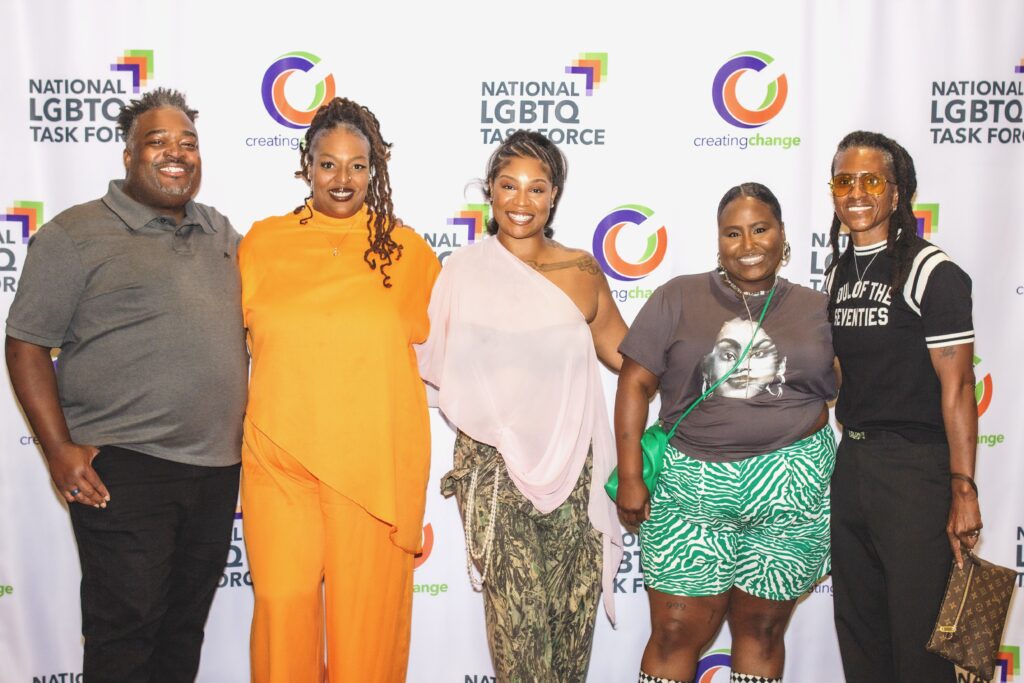
Her current work as co-executive director for BLACKAF reflects this mission, as the organization offers civic engagement, leadership development, , and community dialogues on local issues such as community violence/safety, mental health, community care, and a “We Keep Us Safe” series that details how we get to liberation for the Black community.
Now, as one of Creating Change’s local ambassadors, Wilson hopes to build concerted efforts to merge conversations and identities, “where solutions must be intersectional.
“I really want to get more urban Black gay people to experience Creating Change. I want them to bring that razzle dazzle and that’s what’s missing in Kentucky’s queer spaces,” Wilson said. “If we really want to win, some things are going to need to be shaken up. Get uncomfortable. Be willing and able to respond to questions that haven’t been asked before. I want Black urban gay folks there because we bring all of that. We deserve seats at those tables too”