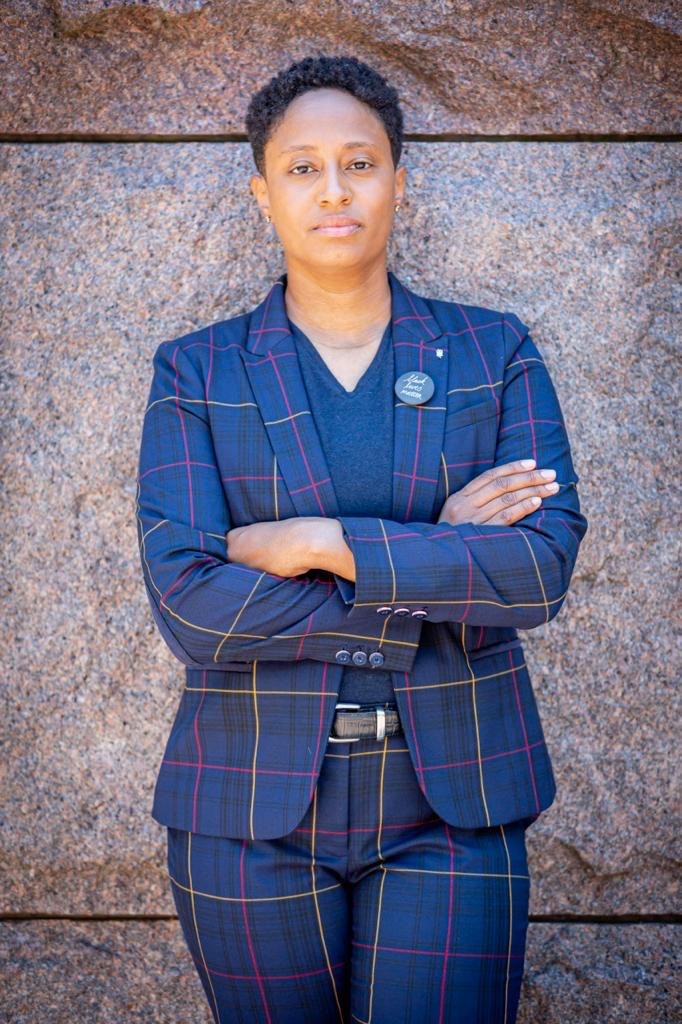
As the leader of the D.C. LGBTQ Budget Coalition, Heidi Ellis doesn’t have to look far to see the return on investments of her work.
She’s advocated for D.C.’s Black, Brown and queer communities through a series of budgeting concerns that were turned into solutions that include housing vouchers for LGBTQ D.C. residents. Other initiatives includeworkforce programs for transgender and gender diverse people, securing capital funding to open D.C.’s flagship LGBTQ+ community center, introducing proposals for LGBTQ housing for seniors, and funding for youth homelessness.
“We operate with a sense of autonomy because of D.C. Home Rule, but our ability to self-govern is constantly at risk,” Ellis said. “Congressional interference, especially around our budget, continues to undermine the will of D.C. residents. I recently moderated a conversation with Attorney General Brian Schwalb about these challenges and what they mean for our work.”
Ellis continued: “As a coalition, we’re intentional and strategic. And we know who our stakeholders are: the Mayor, the D.C. Council, the respective agencies under the executive, and most importantly our community members. We educate the community and do a lot of trainings around advocacy like teaching people how to testify before the council.”
These achievements have earned her recognition throughout the nation’s capital, from the Washington Blade’s Most Dedicated Activist Award, SMYAL’s Community Advocate Award, as a nominee for the Center for Black Equity’s People Choice Award and now as local ambassador for the National LGBTQ Task Force’s Creating Change convening in Washington D.C. in January 2026. “It’s a powerful opportunity to have Creating Change in D.C. this year, especially given the work our coalition is driving,” Ellis said. “It’s becoming a truly symbiotic relationship—one that allows us to lift up local expertise while drawing from national knowledge. I’m proud to build that kind of partnership with the Task Force.”
The Beginning of Queer Inclusivity
Queer advocacy for Ellis starts at building a comprehensive, community-informed framework that helps stakeholders understand the full scope of issues impacting LGBTQ+ residents. This allows for the aforementioned stakeholders to view issues and make informed and equitable decisions around budget investments and policies that improve the lives of queer people in the city.
Ellis says her intersectional identity as a Black American and Afro-Latina lesbian shapes the way she engages in civic work, giving her a layered understanding of how systems impact people differently. “I always got a double education. I got what I had in the classroom and what I had at home,” Ellis said.
Today, Ellis says her work is about making sure the queer community is accessible to agencies and decision-makers that may not understand how disenfranchisement shows up in the daily lives of queer people.
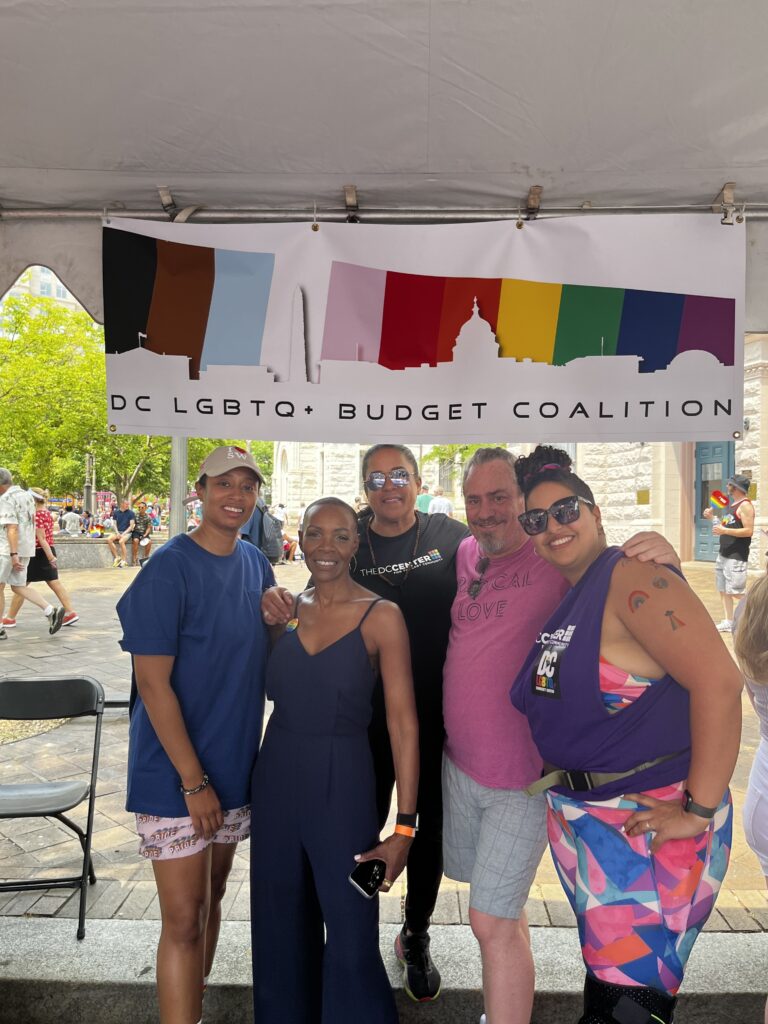
Several organizations are housed within the D.C. LBGTQ Budget Coalition including the DC Center for LGBT Community, Whitman-Walker Health, and SMYAL, Wanda Alston Foundation, Destination Tomorrow, etc.
Emphasizing intersectional justice, the D.C LGBTQ+ Budget Coalition also partners with The Language Access Coalition and DC Action, among other coalitions in their advocacy work. LGBTQ-owned businesses such as As You Are Bar and Crush also support by hosting events.
Facilitating Change Between the City’s LGBT Community and Service Offices
Because Ellis’ work requires on-the-ground interactions to understand how policies affect people, the coalition’s work rests on uniting local entities and residents in educational and community-building settings. With housing being a prominent issue in D.C., LGBTQ communities are doubly marginalized as more than 40% of houseless youth identify as LGBTQ yet consist of only 9% of the population.
The coalition organized the first-ever LGBTQ-focused housing summit for D.C. residents. The two-day summit was free and hosted at the Martin Luther King Memorial Library and welcomed housing advocates, experts, communities in need, governmental agencies and elected officials to discuss the pressing issues around housing in the city. This included residents speaking directly to city officials in the Department of Human Servies, the Office of Human Rights, and the D.C. Housing Authority, etc.
“They were trying to navigate systems that weren’t designed for them—whether their ID doesn’t match their gender identity, they’re experiencing homelessness, or they’re immigrants facing additional barriers,” Ellis said. “Some people who aren’t queer in the housing space may have not thought about rent control or affordable housing through the lens of queer people.”
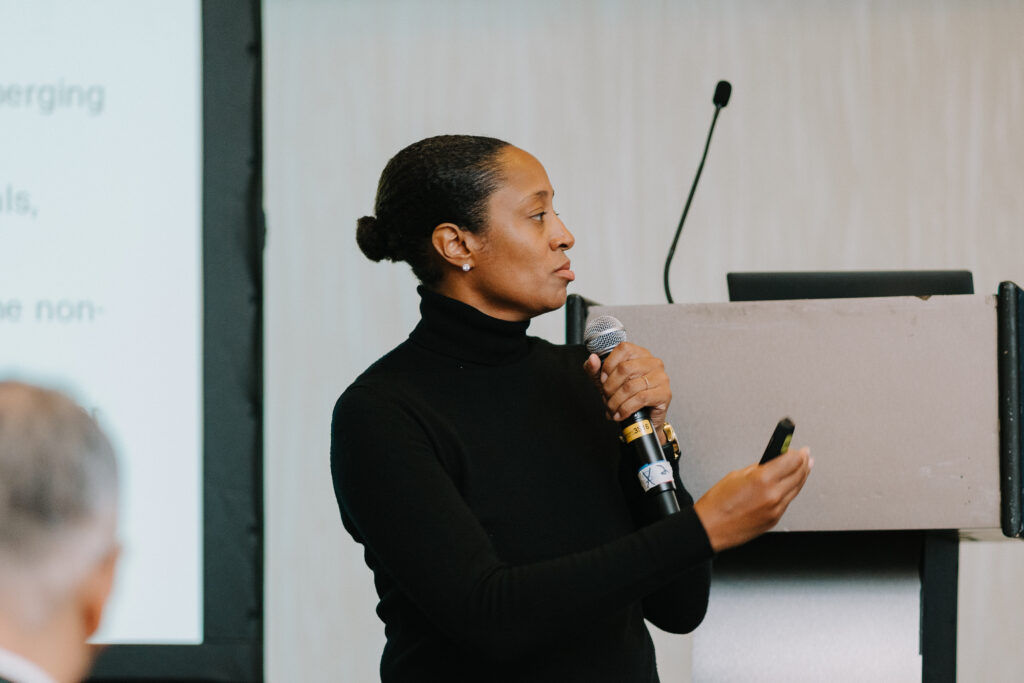
Considering the current political climate and the ongoing targeting of DEI and equity-based initiatives, both federal cuts and congressional interference have created new vulnerabilities for D.C.’s local budget and for the LGBTQ+ programs the coalition fights to protect. In June, Ellis told the Washington Blade that nearly $6 million in federal HIV/AIDS funding was eliminated, and D.C.’s own budget faced significant reductions across housing, public health, and homelessness services.
These cuts directly threatened several of the coalition’s priorities, including dedicated housing vouchers, dedicated community grants, specialized personnel, expanded youth homelessness programs, and mobile mental health units proposed for the FY25 budget. But, with Creating Change in January, Ellis hopes to use the convening as a think tank to find solutions to still support the coalition’s efforts. She’s been a recurring attendant for nearly a decade serving roles like facilitating workshops and leading breakout sessions.
“The good thing about [Creating Change] is that we have the opportunity to zoom in and out to [share] lessons we’ve learned on a local and national level because at any given moment, there’s ripe material that can inform our work,” Ellis said. “This directly ties to my relationship with the Task Force because I’ve attended Creating Change a couple of times and had great conversations come out of that.”
As recent election results signal another shift in the political landscape, Ellis says Creating Change arrives at a pivotal moment, one where organizers need space to regroup, build momentum, and chart a path forward. “The work we’re doing right now keeps me grounded in the equity pieces,” Ellis said. “I’ve lived long enough to watch the political pendulum swing in many directions. But I’ve also seen how progressive movements, when we stay organized, can lead to real, tangible outcomes across the executive, legislative, and even judicial branches.”