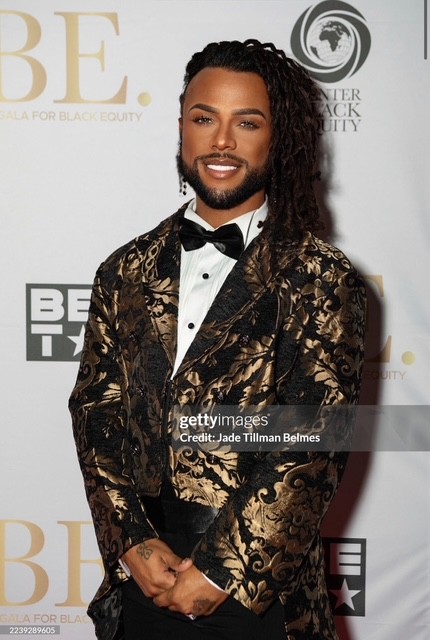
Malachi Stewart learned about his HIV positive status on World AIDS Day in 2008. Stewart says it was a life-changing moment that showed him on stark terms the impact of stigma of his status in healthcare and community.
“In Philadelphia, we called it ‘The Monster,’ I was 20 years old when I tested positive, and my first conversation with my mother she asked, ‘Do you think you’ll make it to your 21st birthday?’” Stewart recalled.
“There were no Black queer elders speaking life into me or educating me. But then, as I got educated, I was able to live a healthy life and become undetectable, and this is why I started my path into the work.”
Stewart not only thrived in the face of his HIV status, but began a new career and life as a community health worker and HIV advocate and educator. Stewart’s work has made him a trusted health worker in Washington D.C., which he is bringing to his role as a local ambassador for the National LGBTQ Task Force’s Creating Change gathering in January.
“I look forward to being able to connect with leaders at Creating Change with some of the local grassroots organizations who do the work,” Stewart said. “My favorite part is being able to make those connections and watch people who have this star quality and knowledge really get their shine.”
From Diagnosis to New Direction: Stewart’s Journey into Advocacy
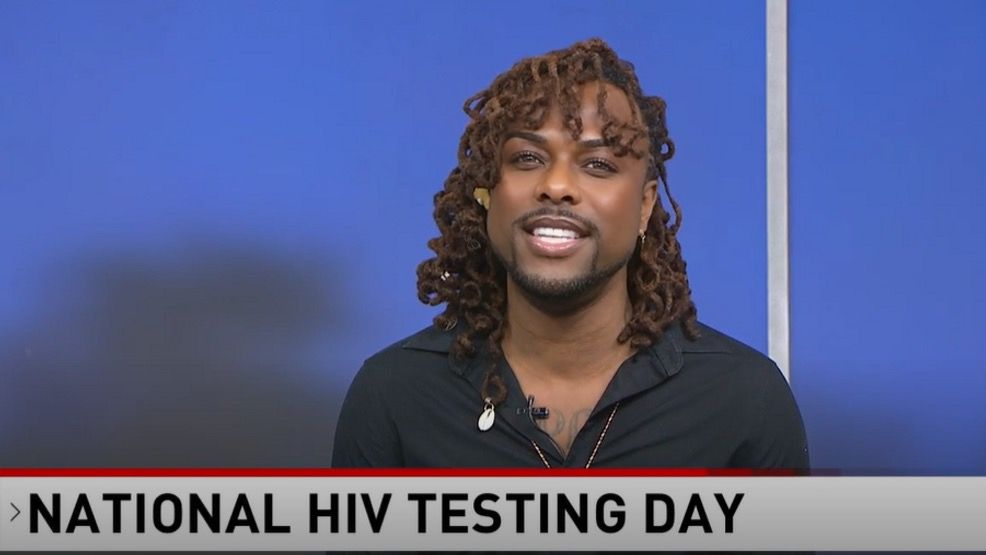
Stewart earned a degree in Criminal Justice from Drexel University, creating an understanding of how HIV is criminalized and the racial and sexual undertones of those repercussions.
Relocating from Philly to D.C., Stewart’s first jobs was as a HIV tester in Calvert County, Md. and a Mobile Care Navigator for Whitman-Walker Health in 2015. Stewart’s work included stationing a van to conduct HIV testing throughout the city with and visiting residents to disseminate information and combat stigma. “We went out to people in the community,” Stewart said. “We went to your home. We went to HIPS. Whenever you got care, wherever you were or spent the day at, there wasn’t a space I hadn’t been in.”
With nearly 20 years since learning his status, Stewart says HIV advocacy has evolved tremendously yet still needs an extra push into universal offerings that are easily accessible.
“I’m always going to be a community health worker that just happens to sit in the space where I’m able to influence and inform policy,” Stewart said. “So, when I make decisions, or when I’m advocating, I’m doing so because I know what it looks like for people to not have resources. I know it’s a matter of life and death and I understand the impact it has on their families.”
Stewart’s people-first approach garnered significant approval, so much so that its success has led him to work as the DC Mayor’s Office on LGBTQIA Affairs’ Community Health Engagement Specialist. For the past two years, Stewart says his work engages DC’s communities through a cultural lens to build trust and keep HIV resources visible.
“With queer people who are black and LGBTQ, if there’s shame and stigma around the conversation, how do you approach that strategically?” Stewart asked. “The easy part was giving you medication, the hard part was housing insecurity. The hard part was rental assistance. The hard part was food. The hard part was people not feeling safe in their homes. There were social issues that affect people when they just don’t have money.”
Building the Future of HIV Advocacy
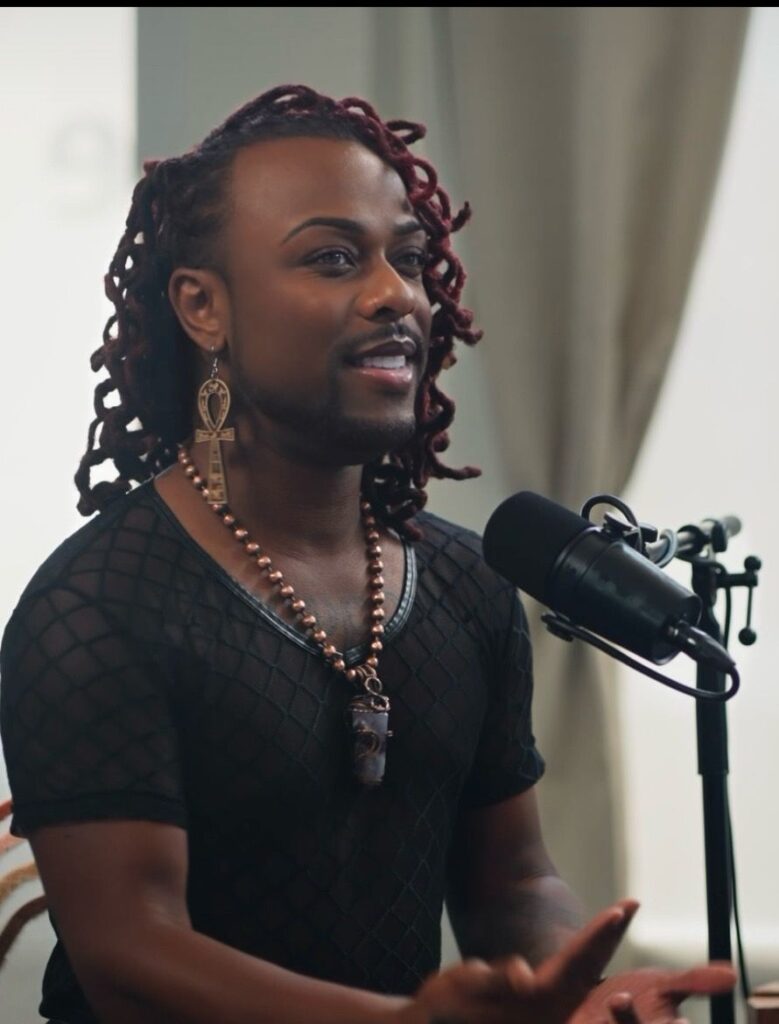
Now with Mayor Bowser’s office, Stewart replicates his strategies for interactions and outreach, with a goal of “strengthening the mayor’s pulse on the city.”
“You can build a program, but if you didn’t allow the right people in the kitchen, [people] won’t eat what’s being served. It’s not nourishing the body because you made these for a different audience,” Stewart said. “I was able to approach things in a DC way because I understand the people.”
“We make sure there’s equity…and also ask who do the people trust? If people don’t see us helping us, then they feel like the work isn’t marketed to them and they’re not important or conversations are being had about them.”
Though this will be Stewart’s first Creating Change, he is thrilled to be in community with leaders whose work rests on HIV advocacy strategies that did not involve government or federal assistance.
“One of the things that people aren’t saying aloud is that a lot of HIV prevention and treatment work is being decentered and not a priority of this current political administration,” Stewart said. This year, the Trump Administration refused to acknowledge World AIDS Day on December 1. “Health departments all over the nation are going to be feeling this because, unless you can find a way to fund this work, there’s no way we can continue to do this.”
As an ambassador, Stewart has already introduced local resources around HIV and other LGBTQ topics in a presentation to the Task Force. He identified who, where, and how visitors can gain access to treatment while attending Creating Change and plans to provide more information as the convening gets closer.
“The National LGBTQ Task Force can’t fix it alone; Creating Change won’t solve it. But, if there can be a place to name it, a place to be with other people facing that same fate, we can say it out loud, be in community and exhale,” Stewart said. “We have to face it in present time before we face the future. [Creating Change] comes at the right time.”