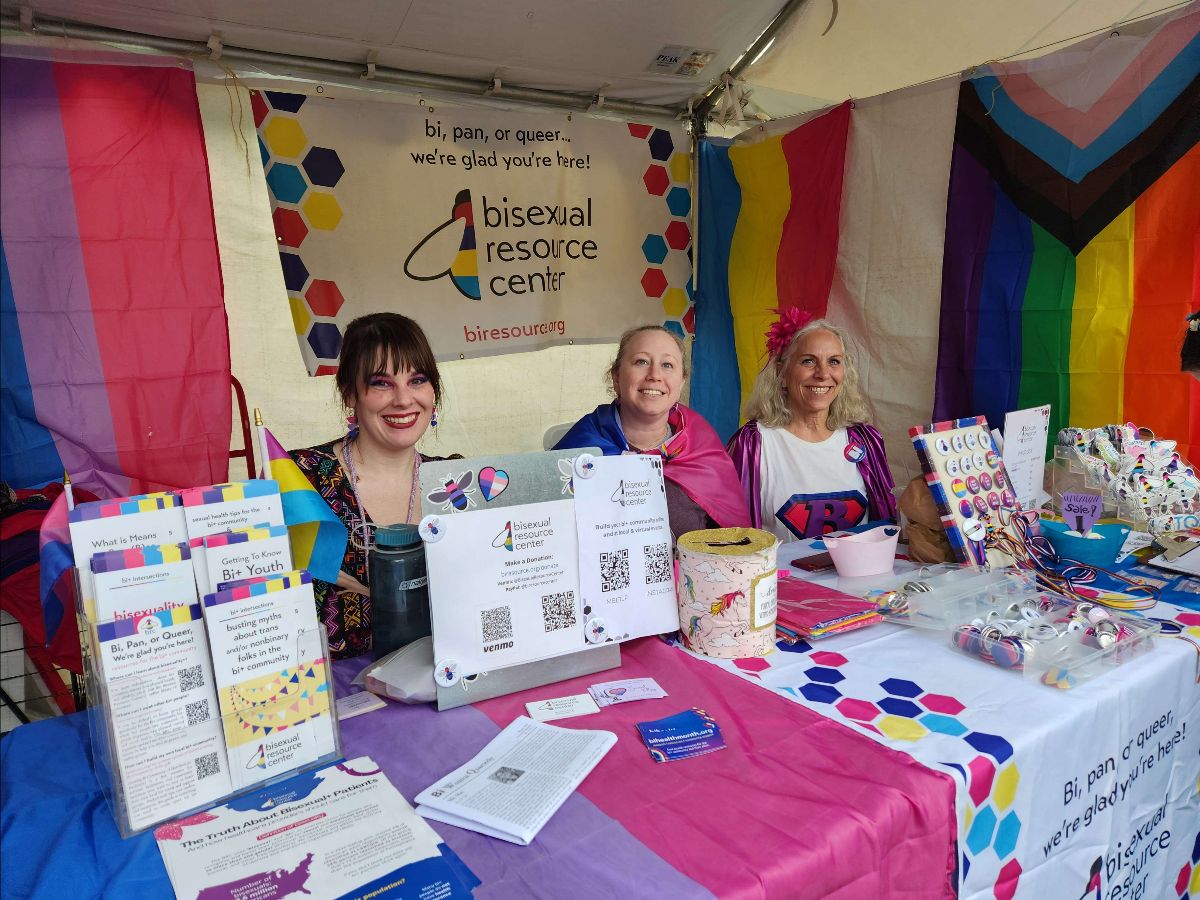
March marks Bisexual Health Awareness Month.
Since 2014, this campaign has been calling attention to bisexual health needs, and pointing people to resources. “Claiming the Right to Care as Bi+ People” is this year’s theme.
As healthcare attacks target LGBTQ+ groups, the Bisexual Resource Center urges for health providers to educate themselves on the best possible healthcare options for bisexuals.
“This year’s theme centers patient agency, healthcare literacy, and access to affirming care,” the resource center shared in a statement. “Claiming right to care means recognizing the bi+ people should not have to justify their identities, educate their providers or endure dismissal in order to receive competent healthcare.”
Bisexuals are the largest population in the LGBTQ+ group, as more than 58% of all queer people identify as bisexual. However, in 2023, the Funders for LGBTQ+ Issues stated that only 1% of all LGBTQ+ funding is allocated to issues and resources for bisexuals. The Movement Advancement Project claims only 28% of bisexuals are fully out, compared to 70% of gay and lesbians.
“The National LGBTQ Task Force recognizes Bisexual Health Awareness Month as a call to action for our bi siblings – myself included!” said Kierra Johnson, president of the National LGBTQ Task Force. “Bisexuals makeup the largest segment of the LGBTQ+ community, and it is critical we lift that fact up and do all we can do to ensure bisexuals are seen and included in our work for liberation and equity.”
The Bi Blues
Once a term to describe a state of attraction to two genders, “bisexual” has evolved into an umbrella spectrum term to include sexualities between same-sex and various gender attractions such pansexual, fluid, and queer.
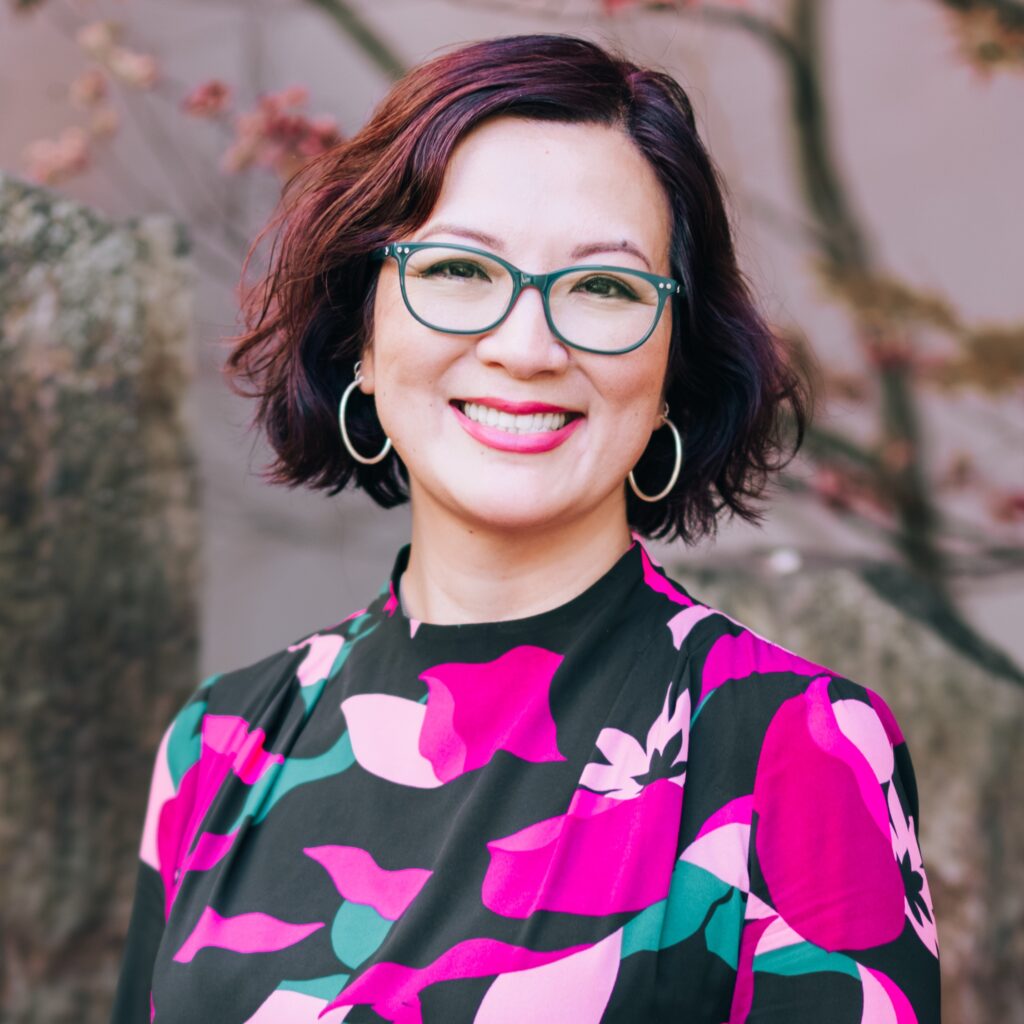
Dr. Mimi Hoang is a bisexual psychologist and life coach specializing in multicultural and LGBTQ populations. Hoang completed her doctorate dissertation on bisexual identity and internalized biphobia’s relationship to infidelity. In the midst of a depressive episode, Hoang came out while attending UCLA after a college therapist paired her with a bisexual mentor.
To describe the impact of bisexual health experiences, Hoang coined the term “bi blues.” “We have these unique experiences of not being accepted, not seeing ourselves out there in the world. These things keep people foggy, sad, or blue, because there isn’t that [room for] self-recognition of who you are and you’re not being reflected anywhere.”
Hoang validates this year’s theme of Bisexual Health Awareness Month, citing the social and emotional woes that affect bisexuals at higher rates. “We are experiencing more distress where there’s more depression, anxiety, more substance abuse issues, more eating disorders, more suicidality, higher rates of intimate partner violence than straight and gay women or straight men and gay men,” she said.
Displacement from both the queer and heterosexual communities also continue to “pathologize LGBTQ+ people,” along with society’s binary design and heteronormative expectations. “It’s very ‘gay versus straight’ and so bi+ people don’t feel like they belong anywhere,” Hoang explained. “They’re excluded or dismissed, and sometimes there’s violence against us because of our sexuality that people don’t take seriously and instead fetishize.”
Bisexual Agency in LGBTQ+ Advocacy
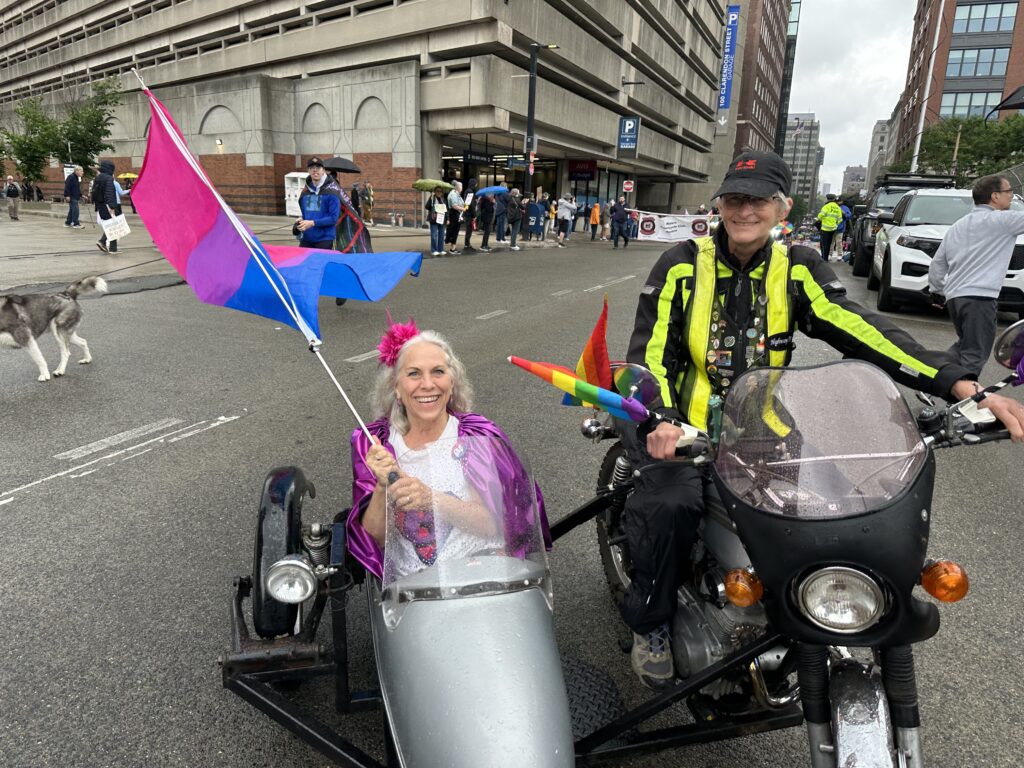
2026 marks 50 years of being an out bisexual for Robyn Ochs, a bubbly activist, writer, and author. “I came out during a time I call BG: Before Google,” Ochs joked. “It was very isolating, very frightening, and I felt very alone.” She described seeing gay and lesbian groups gathering yet they didn’t welcome bi or trans folks. “There was this amazing resource but that door to those resources felt closed to me.”
Through this experience, the importance of self-agency and being welcomed by others became clear to Ochs. In order to self-identify in a society that “thrives on dichotomies and false binaries,” Ochs co-founded the Boston Bisexual Women’s Network in 1983 and the Bisexual Resource Center in 1985, and later created a new, widely-used and accepted definition of bisexuality.
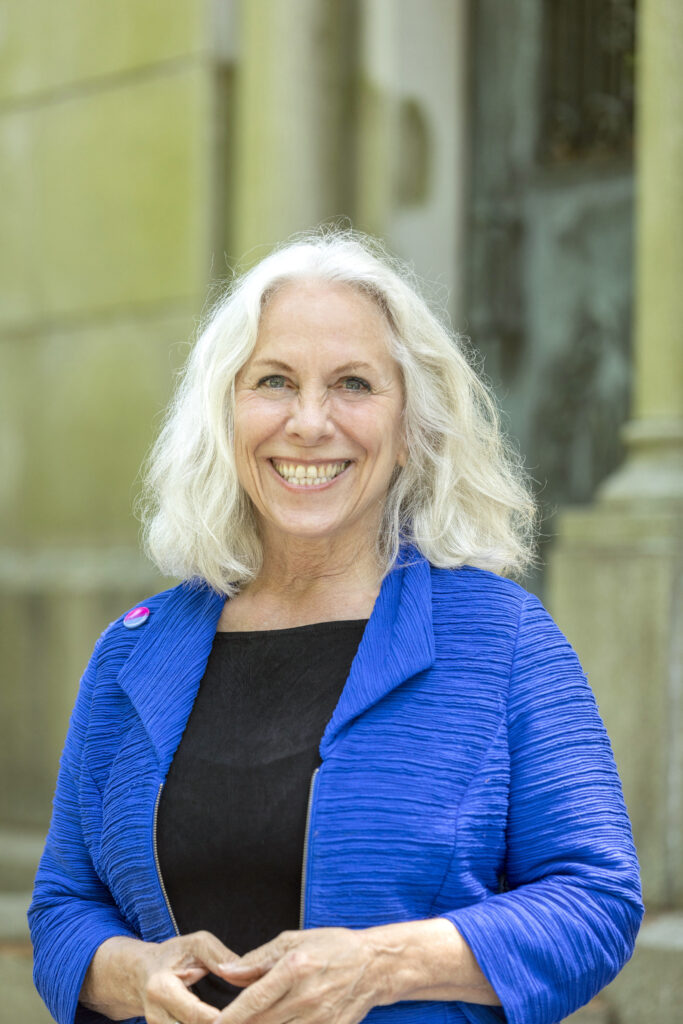
“I call myself bisexual because I acknowledge, in myself, the potential to be attracted romantically and/or sexually to people of more than one gender, not necessarily at the same time, in the same way, and to the same degree,” she said. “The “bi” in bisexual doesn’t refer to men and women– it refers to my own gender and different genders.”
Ochs continues her commitment to self-agency as editor of Bi Women Quarterly and says that first-person essays have a positive correlation to bisexual’s social health. Ochs has been editor of the global magazine since 2009. “It’s my favorite unpaid job,” she said. She is also the co-author of a global anthology, Getting Bi: Voices of Bisexuals Around the World, which features 185 bi+ authors.
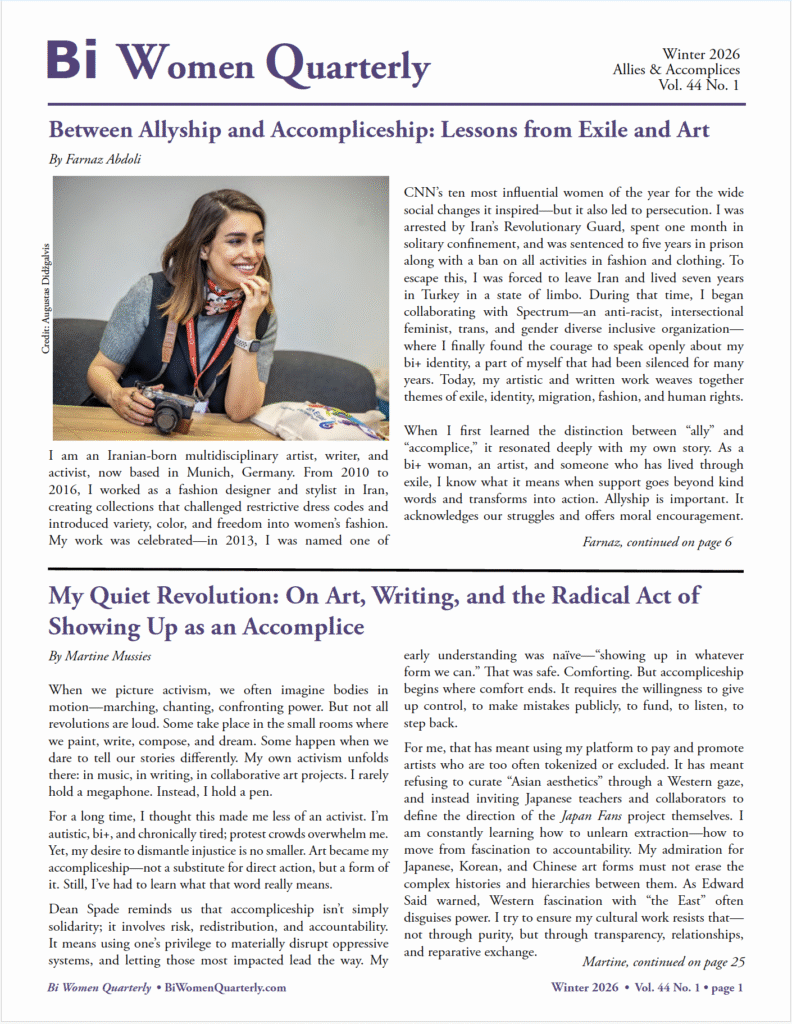
“I’ve seen how validating it is to find a story similar to yours in print, and that’s the power of Bi Women Quarterly,” Ochs said, emphasizing that there is no “one bisexual experience.” “Each of our stories vary so much based on our age, geographic location, gender identity, race and spiritual identities and how these identities shape each other. We rise to this challenge in every single issue to make sure trans and non-binary voices, BIPOC people, people with disabilities, and writers from a large number of countries are represented.”
For Khafre Kujichagulia Abif, activism that includes bisexuals in other LGBTQ+ spaces is the challenge. Abif is an HIV-positive activist. His work emphasizes HIV solutions for specific communities. Working with fellow bisexual activists such as Dr. Lauren Brittany Beach on bisexual health outcomes, including HIV, has made Abif’s advocacy a call for inclusion.
“We’re pointing out the fact that you can look at the HIV prevention, treatment, and care and bisexuals are erased from all of those media messages, so we highlight that and make sure people know you need to be aware of these things,” he said.
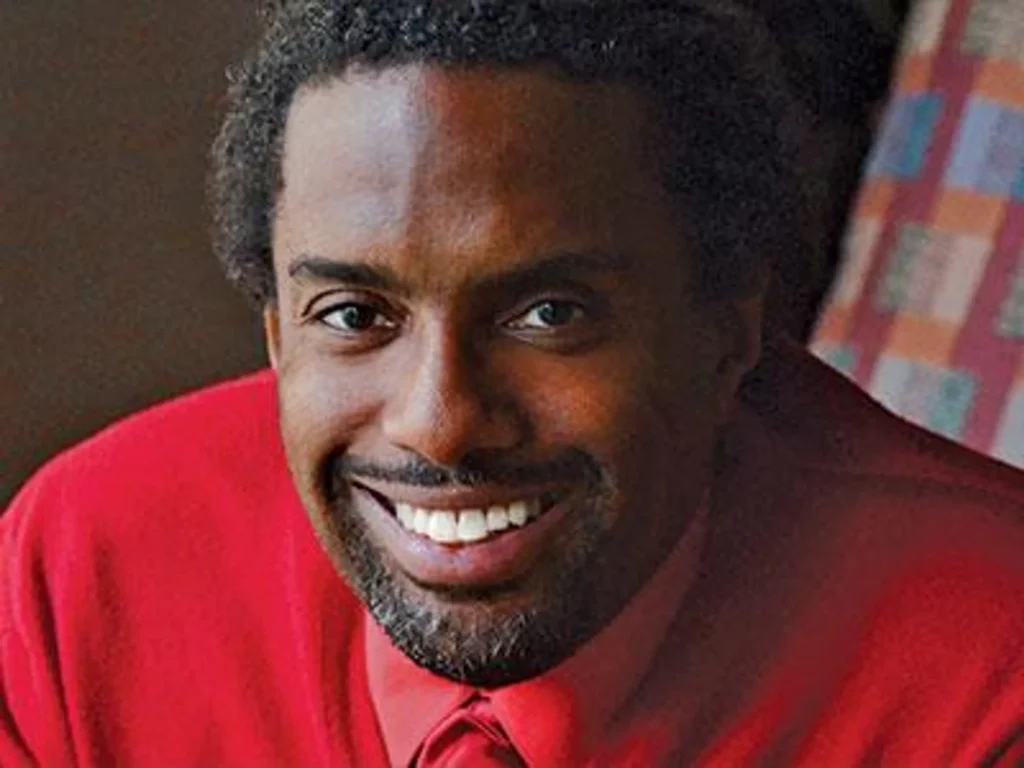
Abif’s experiences of exclusion have prompted him to create strategies and resources that center bisexuals in issues that affect fellow LGBTQ+ populations, citing biphobic rhetoric when he addresses bisexual exclusion.
“I’ve said ‘Look, I understand you’re gay, I’m bisexual and I’m living with HIV too and you’re not going to erase me in this space,’” he said. “You want to use my talent, my resource, my knowledge, but you don’t want to your initiatives or resources you’re working with to be inclusive of a bisexual man.”
Abif would then go on to co-found Bi+ Georgia, a social group to encourage advocacy, resource, and visibility for bisexual Georgians, including his presentation “Bi+ 101” on the bisexual identity aligned with Bisexual Health Awareness Month.
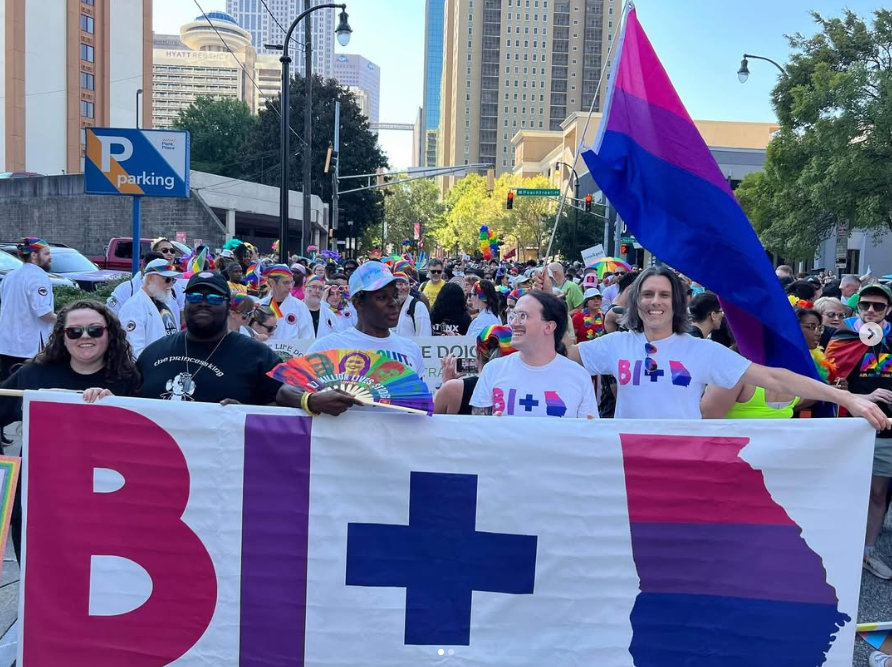
“Raising the visibility of bisexual communities can go a long way in supporting better health outcomes for bisexual communities,” said in a 2019 essay for Bisexual Visibility Day published shortly after Bi+ Georgia’s founding. “It is…important that government agencies tasked with understanding the health needs of people in the country spend the resources needed to tailor research and programs for bisexuals, too.”
While attending UCLA, Hoang co-founded the Fluid group for bisexual+ students in 1999, replicating the model of UC Berkley’s bi+ group.
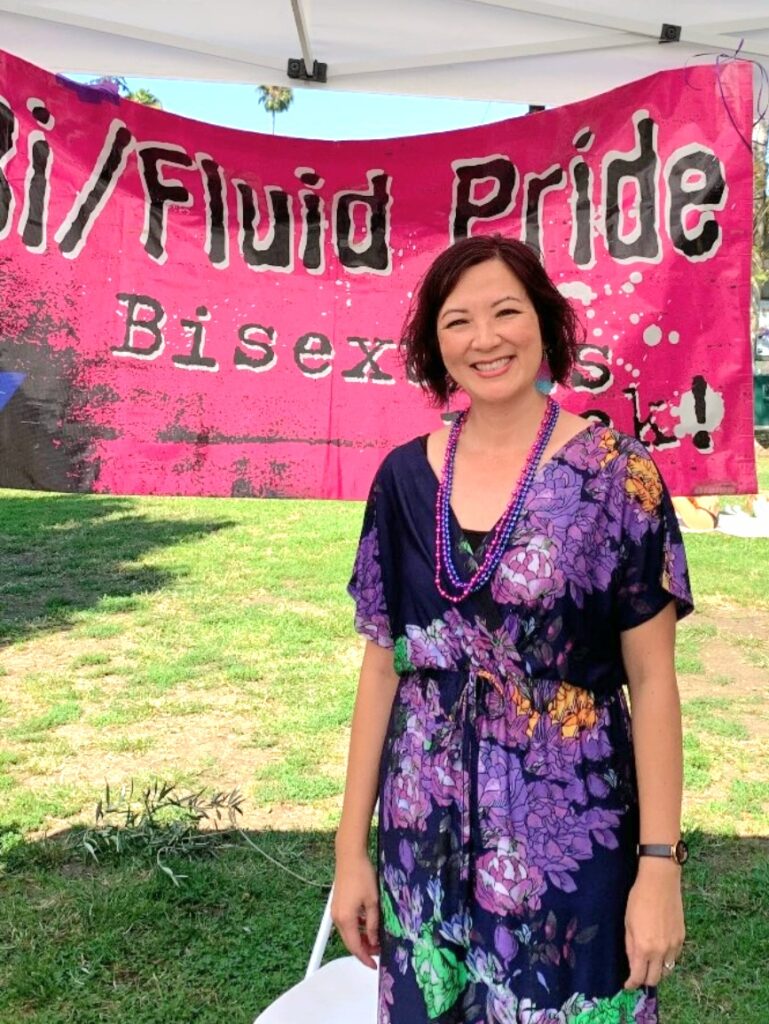
Hoang has also engineered bisexual resources too; she founded the nonprofit Los Angeles Bi+ Task Force in 2008, creating educational programs and cultural enrichment. This work, she says, aided her in a 2013 visit to the White House where 33 bi+ leaders spoke to the Obama administration about issues affecting bi+ communities, which led to the administration recognizing Bi Health Awareness Month for the first time. “This May, I’ll be chairing my third B+ Well Conference at Long Beach City College, so we’re really just trying to get people together and create that safe space to educate our communities.”
The Bisexuality Experience in Multifaceted Identities
As bisexuality offers an identity outside of hegemonic standards of sexuality, it also affects those living in marginalized identities. “I’m Vietnamese and Chinese ethnically,” said Hoang, who was born outside of the US and immigrated with family. “I had very little exposure, education, or role modeling around anything outside of being straight, so it was really challenging for me because there was just so little spoken about bisexuality in those days.”
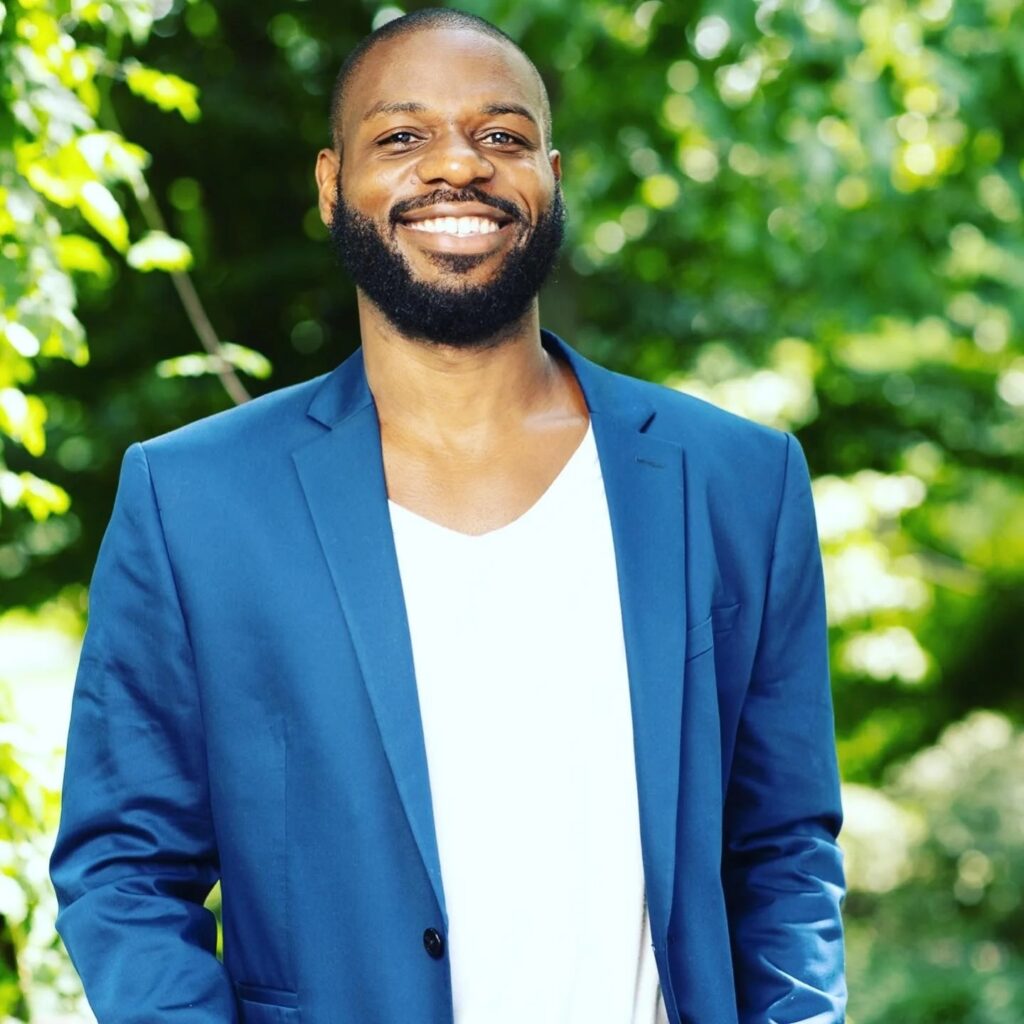
Marvin Toliver, is a bisexual therapist whose work aids patients in identifying and embracing their whole selves. Coming out as a bisexual Black man at 31, he relayed his experiences of watching other men be dismissed for non-heterosexual identities, especially the misnomer for bisexual as gay.
“I saw folks being rejected by their families, being bullied, or not receiving loving and accepting responses,” Toliver said. “I saw a lot of white people and non-Black people go through it, and that alone was enough for me to think, ‘If they’re experiencing it like that, my community is going to come even harder for me.’”
Now openly and proudly living his truth, Toliver recognizes the harmful impact of biphobia. Suppressing one’s identity can lead to a fragmented sense of self that limits authenticity and self-expression.
“When we have attraction to the same sex, we’re often forced to keep it to ourselves,” Toliver said. “We don’t get to say, ‘I made out with this person last night,’ or ‘I went on a date with this person.’ We hold everything in, and that affects how we process our emotions. We didn’t have that space in high school or young adulthood to explore, date, and figure things out.”
Toliver also noted how expectations around masculinity within Black communities can reinforce rigid gender norms, contributing to internalized biphobia and emotional suppression.
“This idea of masculinity really keeps Black men in shackles,” he explained. “It’s a very rigid standard of ‘You can only be this way. Anything outside of that is not allowed.’”
Reflecting on his own journey, Toliver acknowledged how internalized homophobia shaped his early perceptions.
“When I did see or hear about Black men coming out, I was still in that homophobic mindset of, ‘He’s gay? He needs to stay away from me,” Toliver said. That internalization can run deep, and it causes us to distance ourselves from others and even hate parts of ourselves.”
Continuing Bisexual Prosperity and Opportunity
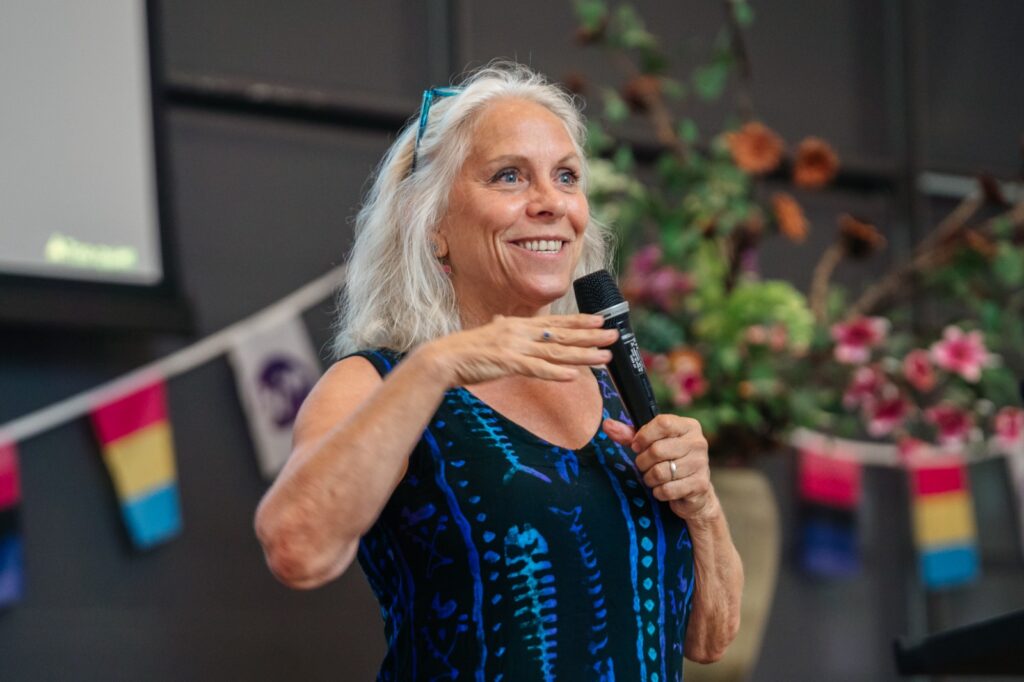
Ochs believes she’s seen some growth in pop culture’s understanding of bisexuality. “It’s unfortunate that bisexuality still gets represented mostly through performance of threesomes or that, to be seen as bisexual, you must have multiple partners of multiple genders. Some of us do, but so, too, do some lesbian, gay, and straight people. That’s not a definitional characteristic of bisexuality,” Ochs said.
However, shows such as Netflix’s Heartstopper and Sex Education, and characters such as Sara Ramirez’s Callie Torres in Grey’s Anatomy deliver a balanced palette of bisexual representation. “There’s power of seeing someone like you on national TV, someone who looks like you and shares your history, it’s validating,” she said.
But fostering agency for bisexuals also requires accurate depictions in media, along with acknowledging their contributions to society at-large. Bisexuals have been key purveyors of societal advancement such as Brenda Howard, who helped to establish the first NYC Pride, and the late scholar and sex educator Loraine Hutchins’ as her contributions centered the LGBTQ+ movement’s larger sex-positive goals for queer communities.
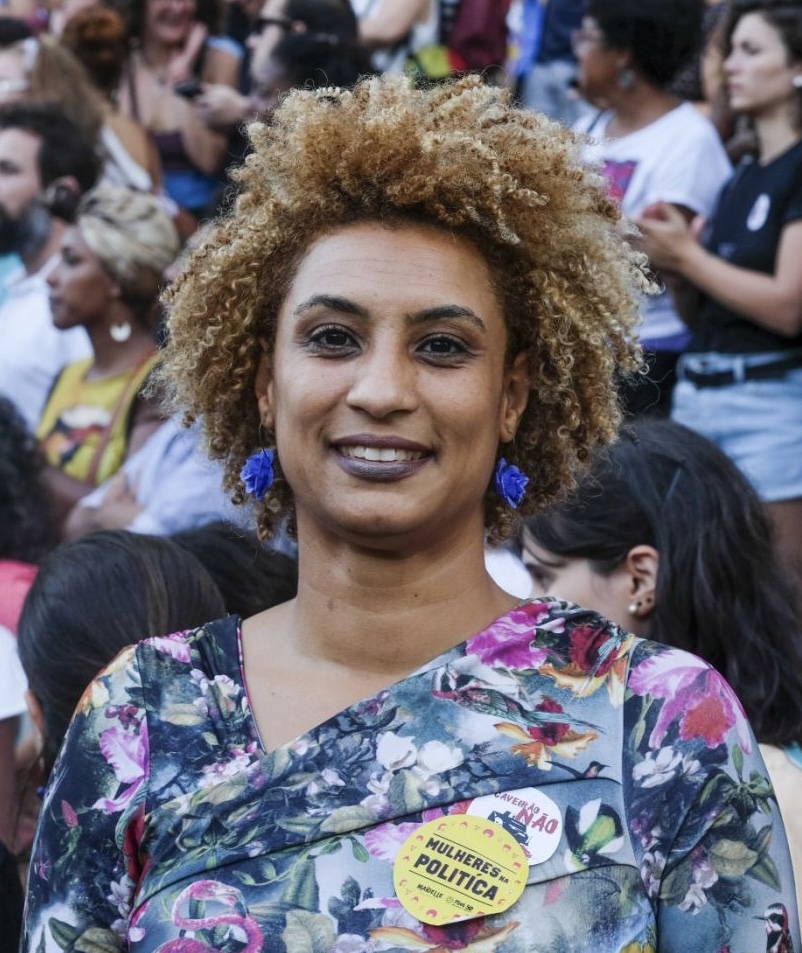
Marielle Francho, a Brazilian bisexual feminist and sociologist, became a worldwide symbol of resistance after her assassination in 2018 ordered by the Inácio Brazão brothers, two Brazilian politicians. “Coming out, Margaret Cho was such an outspoken, bisexual comedienne and actor, so to be able to see an example by an Asian American woman was really, really powerful for me. It’s important to just have some sort of example and representation out there,” Hoang said.
As a healthcare professional, Oliver’s interpretation of this year’s medically-centered theme means more opportunities to accept and support bisexuals with all resources, no matter how they express their sexuality and the identities that they carry. “People feel seen when they see people who mirror them, and I think a space for bisexual folks are, at the very least, intentionally around acceptance,” he said. “Lumping all of those identities together is problematic to me because each specific one has a specific life experience.”