We jump into the legal jargon to simplify it, helping LGBTQ+ advocates understand the political climate of today’s movement and what it means for our future.
This post was originally published on the Task Force’s Substack page. Follow us there for live updates and postings.
An editor’s note from our Policy Director, Allen Morris:
“Our communities deserve more than headlines. They deserve a trusted political home where policy, court decisions, elections, ballot measures, and decisions shaping our daily lives are explained with clarity, context, and transparency. At a time when misinformation is widespread and government can increasingly be difficult to navigate, The National LGBTQ Task Force is pulling back the curtain to help people understand not just what’s happening, but why it matters, the impact(s), and how to take action.
Our Substack is about truth telling, sharing political education, and encouraging everyone to build the confidence to engage no matter where you are or who you are.
Whether the topics are Congress, state legislature, a courtroom, debriefs of city council or local school board meetings, we’ll connect the dots and translate some of the most critical, complex issues into accessible information without sacrificing the nuance. Check out the Task Force Academy for Leadership and Action, where you will find additional resources and opportunities to take action and create change.
The National LGBTQ Task Force is proud to launch this new resource. Welcome to our Substack, we hope you’ll subscribe and join us as we build a more informed, empowered, and engaged community together.”
– Allen Morris (he/him)
Policy Director, The National LGBTQ Task Force
Judicial Branch Updates
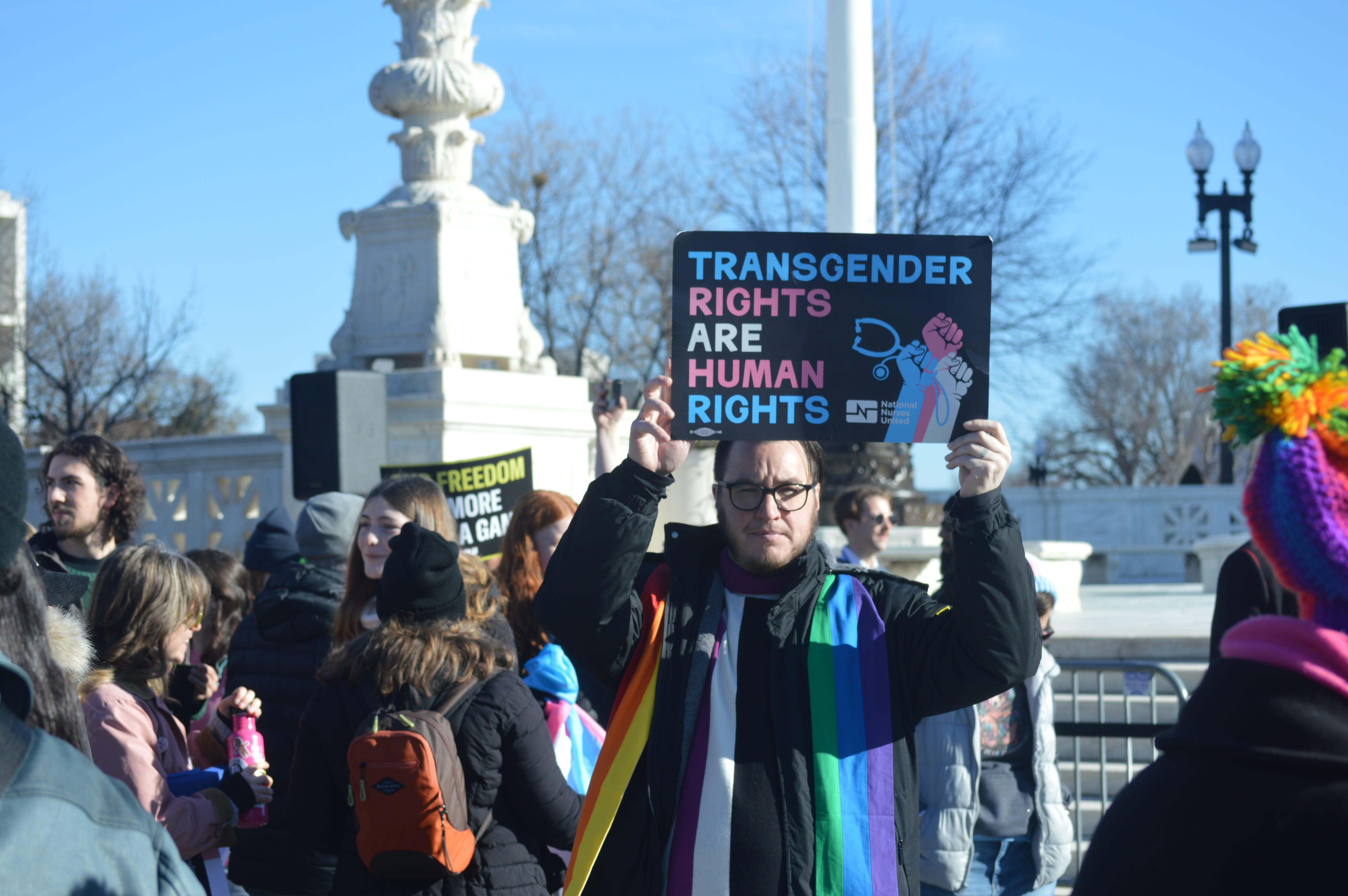
Court opinions are often dense, technical, and difficult to follow. Here’s a breakdown of the four major cases we’ve been following, why it matters, and what its impact may be moving forward. Supreme Court of the United States – Read the Task Force’s statement on both BPJ/Hecox and Barbara here.
West Virginia v. BPJ & Little v. Hecox
Overview:
- West Virginia v. B.P.J., a challenge brought by a teenage transgender girl against West Virginia’s 2021 ban on transgender athletic participation.
- Little v. Hecox, a challenge brought by one transgender student athlete against Idaho’s 2020 ban on transgender athletes and requirements for sex testing
- The two cases argue that the bans violate the rights of the plaintiffs under the Equal Protection Clause of the Fourteenth Amendment to the US Constitution. In addition, West Virginia v. B.P.J. also presented the question of whether West Virginia’s ban violates B.P.J.’s rights under Title IX (Nine), the federal law prohibiting sex discrimination in federally funded educational programs.
Decision: On June 29, 2026, The Supreme Court upheld both Idaho and West Virginia’s transgender sports bans, holding that neither violated Title IX or the Equal Protection Clause.
- States may ban transgender athletes from women’s and girls’ sports and Title IX (Nine) allows schools to determine team eligibility based on “biological sex.”
Note: This decision does NOT create a nationwide sports ban.
Trump v. Barbara
Overview:
- On January 20, 2025, President Trump issued an executive order that would limit birthright citizenship to children with at least one parent who is a U.S. citizen or lawful permanent resident. The order was challenged in court, with opponents arguing that it conflicts with the Fourteenth Amendment. The administration argued that the amendment does not extend citizenship to children born to certain categories of noncitizen parents.
Decision: On June 30, 2026, in a 6-3 decision, the Supreme Court found that Trump’s executive order was unconstitutional preserving birthright citizenship and the Fourteenth Amendment.
Mullin v. Doe
Overview:
- This case challenged the Trump’s administration actions to terminate Temporary Protected Status (TPS) for thousands of Syrian and Haitian immigrants living and working in the U.S.
Decision: In a 6-3 opinion, the Supreme Court ruled that the Department of Homeland Security can end Temporary Protected Status (TPS) for immigrants from Syria and Haiti. The Court decided that federal law prevents courts from reviewing these TPS termination decisions.
Mullin v. Al Otro Lado
Overview:
- This case derives from a class action case that began in 2017. Since 2016, asylum seekers have been unlawfully turned back at ports of entry along the U.S. Mexico border. The lawsuit challenged the U.S. government’s practices in handling immigration detention and bond hearings.
Decision: In a 6-3 opinion, the Supreme Court ruled that the Trump administration could turn back asylum seekers at ports of entry along the southern border, and those actions do not violate federal immigration law. In more simple terms, any asylum seeker who arrives at the border only “arrives in the United States” when they cross the official border, not by attempting to set foot in the country.
Watson v. Republican National Committee
Overview:
- This case derives from various lawsuits in Mississippi seeking to overturn a four-year old state law that allows absentee voters to mail ballots up until Election Day and permits election officials to count those ballots so long as they are postmarked by Election Day and received within five business days after.
Decision: In a 5-4 opinion, the Supreme Court decided states can create their own grace periods for counting votes as long as ballots are postmarked before Election Day. The Court also clarified that mail-in ballots should still be counted even if they are received after polls close, if postmarked before Election Day.
Note: The Task Force is not a legal services organization. Our goal is to break down complex cases and issues, explaining what these cases are about, how the court ruled, and what the decision could mean moving forward. Rather than focusing on legal jargon, we help readers understand the substance, context, and the real-world impact of these cases.
State Policy Updates
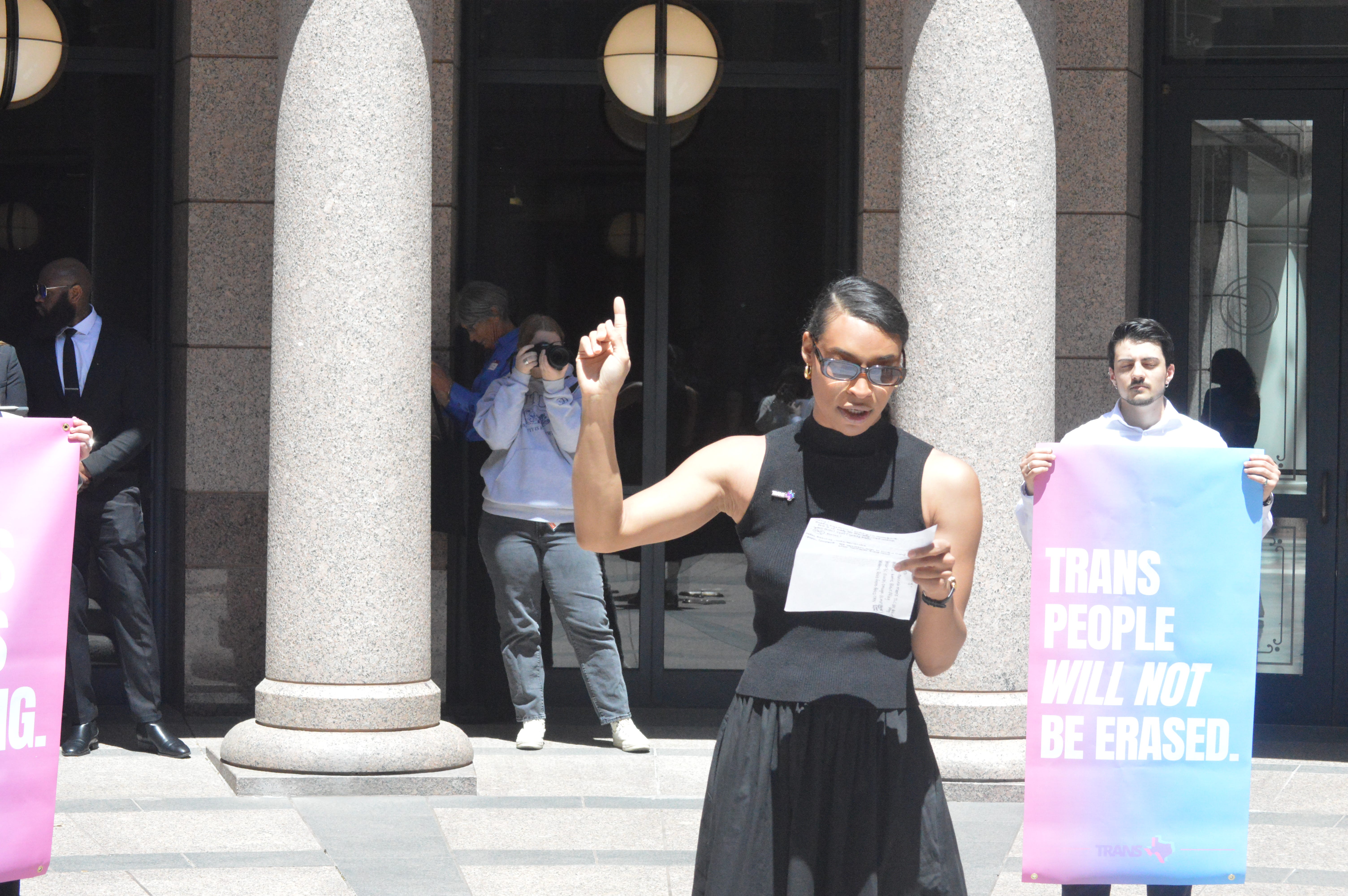
Note: The Task Force tracks state legislative, judicial, and ballot measure updates. Anyone can get involved in policy work- whether that’s sending phone calls to your state legislators, speaking at public hearings, or as simple as becoming educated about what’s going on in your community and sharing that knowledge with others. We will share the most critical state updates but know that it will not encompass every policy or bill moving in the states.
This week we are going to focus on ballot measures, questions typically presented to voters on their ballots during elections. This is an opportunity for voters to pass their own state laws.
Currently, Colorado, Washington and Arizona will have transgender sports ban measures appear on each state’s election ballot this November. Each measure has a different yet narrow definition of gender which would not only violate students’ privacy but also result in subjecting students to potentially invasive medical exams to “prove” one’s gender.
The movement has been working tirelessly to a) prevent transgender sports ban measures from appearing on state ballots in the first place and b) invalidate and throw out ballot measures that were already put on the ballot. Here’s a breakdown of three state-specific transgender sports ban ballot measures, why it matters, and what its impact may be moving forward:
Arizona: Potential Win
The sports ban measure being considered in Arizona is based on an existing 2022 state law. It applies to both public and some private schools and would make K-12 sports teams “male,” “female,” or “coeducational” based on “biological status at birth.” It would also expand the 2022 law by creating a facilities ban in the context of sports. A lawsuit was filed arguing that the ballot measure title is misleading and that the measure should be thrown off the ballot. There were oral arguments for the case on July 16, 2026. Arizona Judge Greg Como is allowing the measure to stay on the ballot, but an appeal is possible and likely. This may be a win if the court decides that the ballot measure is invalid. We will continue to monitor and provide key updates.
Maine: This is a win!
In Maine, the transgender sports ban measure was thrown off the ballot because it was determined that Protect Girls in Sports, the campaign behind the measure, had not collected enough valid signatures. In fact, more than 1,500 signatures were invalidated. This measure would have “required that public school sports teams, locker rooms, restrooms, and other private spaces that are designated for girls or boys be limited to students of the corresponding sex, as recorded on their original birth certificate.”
Nevada: This is a win!
Nevada’s ballot measure to limit transgender participation in school sports will not be on the November ballot. This measure was backed by Governor Joe Lombardo (R), who announced that the measure would not go forward because of “legal delays and uncertainty surrounding this case” which “have made it impossible to complete the initiative process in time for the 2026 ballot.” This measure would have not allowed trans girls to participate on girls’ sports teams.
Why does all of this matter?
Our opposition is using our children and the innocence of being in a team or community that values them as scapegoats. We cannot allow anyone to unfairly deny any child the benefit of teamwork and dedication because of who they are. We deserve elected officials that are working to remove barriers, create constructive avenues of community programs, and disavow all forms of hate and harassment coming from rich people with too much time and money on their hands. These attacks are intentional, and yet we are winning a large number of those legal fights.
Your perspective matters. Drop a comment, share your thoughts, and help broaden the discussion. Join the movement. Follow the Task Force and subscribe, share, like, and comment to amplify our impact.
Enjoyed reading? Gather virtually with us during our next Policy Power Hour, where we discuss real-time updates and events that affect the LGBTQ+ movement. Our next meeting: August 11, 2026 – 7 PM ET via Zoom. Sign up today!