
On December 4, The Horizons Foundation, hosted their 22nd annual State of the Movement discussion, hosting LGBTQ movement leaders who provided a full scope of the advocacy work being done amongst the queer community. Under the theme of Fight Back, Pushing Forward, Roger Doughty, president of the Horizon Foundation, moderated a virtual Q&A panel featuring four leaders:
- Kate Kendell: CEO of the Gill Foundation and former executive director of the National Center for Lesbian Rights (NCLR)
- Shelby Chestnut: Executive Director of Transgender Law Center
- Kevin Jennings: CEO of Lambda Legal
- Kierra Johnson: President of the National LGBTQ Task Force
Doughty opened the conversation acknowledging the state of LGBTQ rights and the “relentless attacks” that administration has imposed on the federal, state, and local levels.
In addition to the rampant transphobia and anti-queer climate, this includes the stripping of funding for LGBTQ safe spaces, passing anti-trans laws, and the weaponization of the armed forces in both Immigrations and Customs Enforcement (ICE) and the National Guard.
“But we’re a community that doesn’t give up. We fight relentlessly,” Doughty said. “We know that we can, and have, beat ridiculous odds before and we know that we can do it again.”
Johnson Shares Thoughts, Experiences as Task Force President

To begin, Doughty asked each leader to create a phrase or words that embodies their state of the LGBTQ movement. “I would say leaderful, aligning and scaling,” Johnson said, citing the preparedness and readiness of movement leaders and organizers. “We are a very leaderful movement…and while we haven’t been prepared, we are preparing. We are scaling what we all learned and have learned that’s needed and necessary in vert strategic ways.”
As Doughty inquired about identity politics in the movement, Johnson spoke to how gender and sexuality definitions have expanded throughout the years as inclusivity becomes mandatory in the movement. She cited “interior dialogues” happening that spell out what will be required of leaders to be both effective and intersectional in their strategies.
“There is an appetite for partnership, for collaboration, for conversation, for principled struggle in ways I haven’t seen in a really long time in this movement,” Johnson said.
She emphasized that the LGBTQ movement’s clearest path forward is involving various identity-based movements to birth largest demonstrations out of collaboration. Johnson is a cross-movement leader herself with a 10-year background in reproductive rights before taking the helm of the Task Force.
“LGBTQ organizational leaders wanting to dig in and lean in with each other but also lean in with social justice advocates and leaders across movements,” Johnson added.
When citing how the past can inform the movement’s future, Johnson shared her thoughts on how development and investing in LGBTQ movements looks differently in today’s age. Building a foundation for the future, Johnson says, has taken a halt in the current climate of digital engagement and instant gratification. “We’ve got to get back into the investment, we need to invest in young people. We need to invest in organizing and making sure people know how to organize. It is a winning strategy that is not fast nor cheap, and it has long term, decades worth of impact.”
Johnson said, along with refurbishing old tactics, updated forms of communication need to be taken in consideration to truly engage audiences effectively. “Nobody can ignore the fact that social media and digital platforms don’t play a role in all of these,” she said. “It means we add digital strategies to organizing; we add digital strategies to youth engagement. It’s not a replacement, it’s another tactic, platform, vehicle that we can use to move those things.”
Fellow Movement Leaders Contribute Their Experiences, Expertise

Kate Kendell spoke to the media depiction of queerness and LGBTQ people, citing the need for balanced, accurate information on well-known topics such as gender affirming care and the failed effects of conversion therapy. “Winning these bans on conversion therapy is really about protecting young people from a very dangerous and ultimately soul crushing practice,” Kendell said. “One of the main things we won in winning these bans was the court of public opinion, and certainly the information that got out about the dangers of conversion therapy.”
She continued: “It’s really important that we…work with partners to try to embark on some campaign to once again elevate this issue.”
As executive director of the Transgender Law Center, Chestnut chimed in about the transgender plight of the movement, citing how discrimination against trans people has “far reaching implications for marginalized communities.” Chestnut also spoke to the tactics of how trans activists are meeting the moment. “We’re building the strategy while the plane is flying at full speed, and I do think we’re going to get there,” they said.
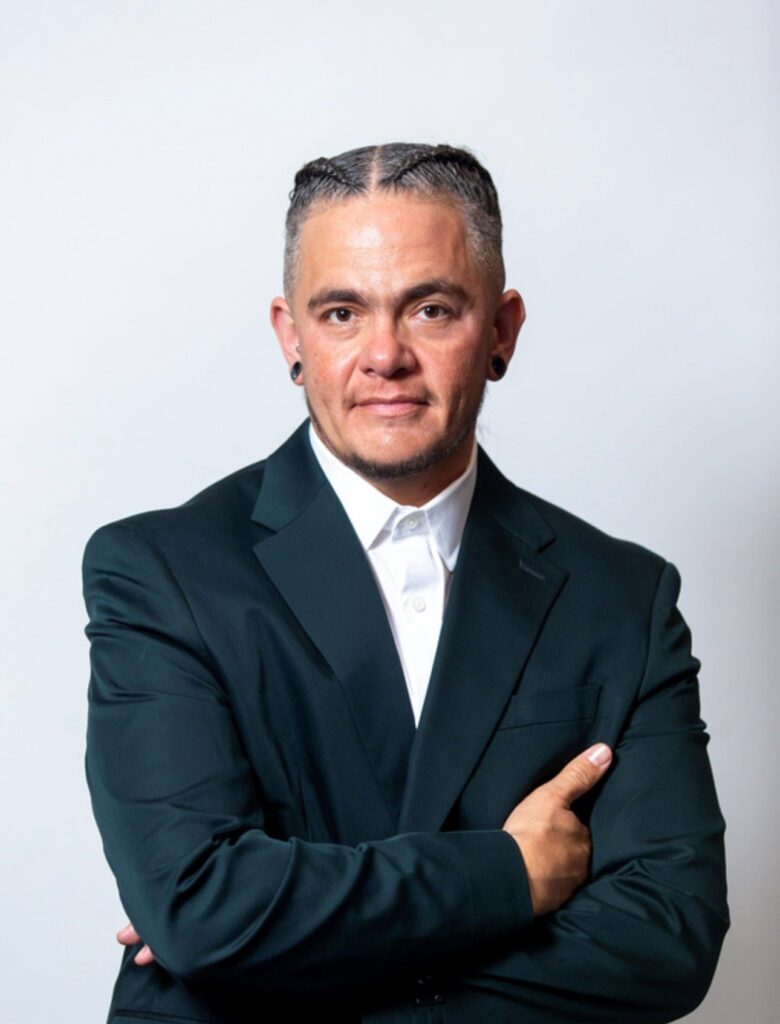
Looking ahead to 2026’s legal matters, Chestnut and Jennings both acknowledged the Supreme Court decisions in the Little vs. Hecox’s case will determine not only the livelihood of trans people and athletes but will spell out the rights for other LGBTQ communities. “Despite what our opponents would like the public to believe; the case is not just about sports. This case is asking the Supreme Court to decide how the law defines sex under the 14th Amendment,” Chestnut said. “The case has enormous consequences for the future of transgender rights, not only in athletics, but really across multiple areas.”
In addition to legality, Jennings discussed the effective strategies to raise funds for the fight against LGBTQ discrimination, as the movement lacks strong funding opportunities like their opponents. In June, Lambda Legal announced that they raised $285 million for their “Unstoppable Future: Our Campaign to Win Equality,” surpassing their initial goal of $180 million.
“We said, ‘We need to step our game up,’ …and people responded to that, and we got 17 principal gifts of $1 million or more…I urge you as individual philanthropists to think about, what can I do now, what can I do long term? Don’t just consider giving at the moment. Think what can I do in terms of a legacy gift that will sustain the fight after I’m gone?”