News
May 12, 2026
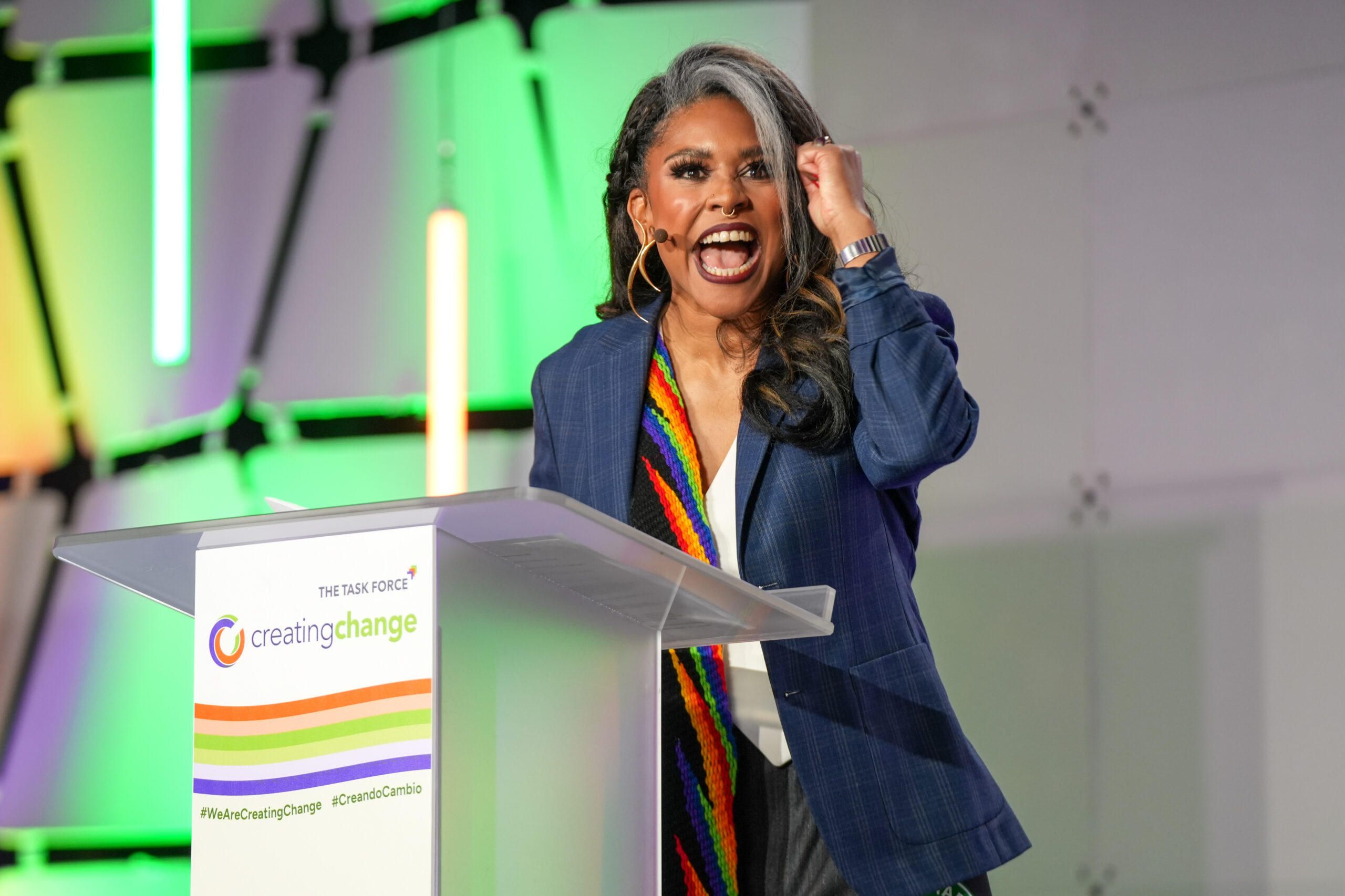
Task Force President Kierra Johnson Selected for Inaugural Stonewall Honors Award
The rollercoaster highs and lows of today’s LGBTQ+ movement are stretching advocates thin, but Robert Kesten, president of the Stonewall National Museum Archives & Library, is unphased by the uncertainties. “I worked on the breakup of the Soviet Union, I worked in the Middle Easter during the Arab Spring, but I didn’t expect this kind of attitudinal change here at home,” he said. “The United States government, as slow and unjust as it has…
May 6, 2026
Wall of Honor 2026 Ceremony at Historic Stonewall Inn Held June 25
FOR IMMEDIATE RELEASE LGBTQ Icons Miss Major, Barbara Gittings, Luisa Rivera Added May 5 – WASHINGTON DC – On June 25, the LGBTQ+ community will gather for the annual Wall of Honor ceremony, a tribute to LGBTQ+ trailblazers who have passed on and have made significant contributions to LGBTQ+ politics, art, culture and more. Founded by the International Imperial Court System in 2019,…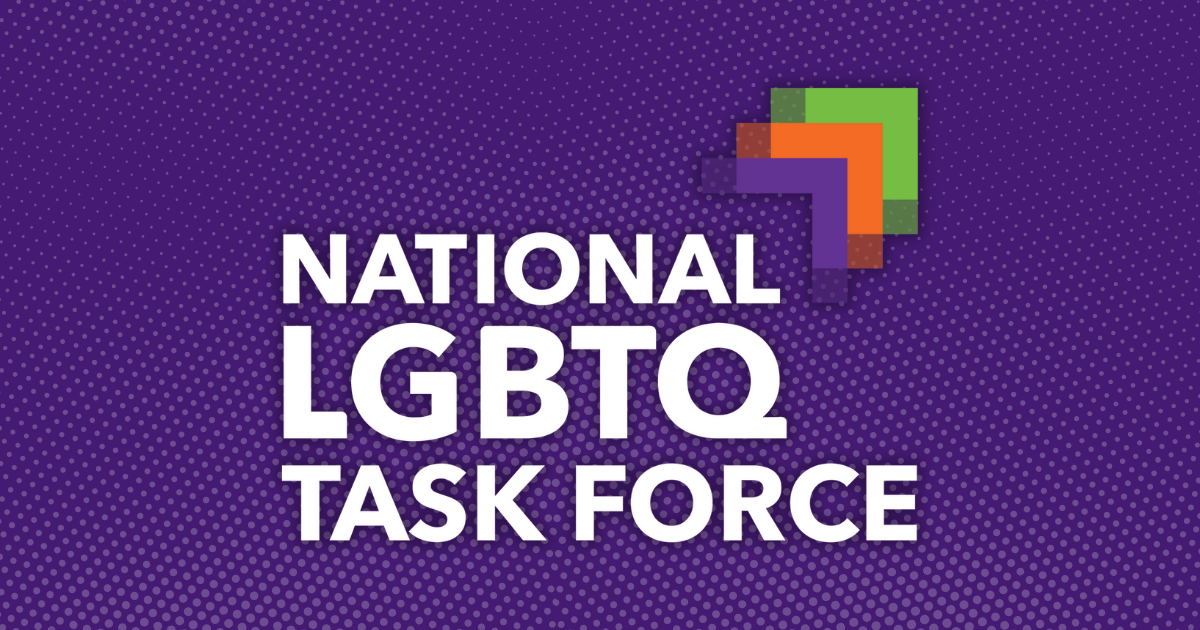
April 14, 2026
Attacks on abortion and gender-affirming care are inextricably linked
Lawmakers are using the same tactics, including criminalization, surveillance, and restrictions on young people to limit access to both abortion and gender-affirming care, write state policy experts with the National LGBTQ Task Force and the Guttmacher Institute.
April 13, 2026
CC27: Save the Date for Louisville!
We don’t choose our host cities lightly. Each year, we gather where the work is urgent, our presence can be additive, and our movement has something to learn.
March 31, 2026
National LGBTQ Task Force Responds to SCOTUS Decision on Chiles v Salazar
“Today, the Supreme Court, in an 8-1 decision, backed the challenge to Colorado’s conversion therapy ban, stating that the ban directly violates the First Amendment’s freedom of speech. While today’s opinion spoke directly to the merits (the core issue), it did not focus on the ban itself. It is not lost upon us that this decision came on Trans Day of Visibility. This is not about protecting kids; it’s about personal feelings…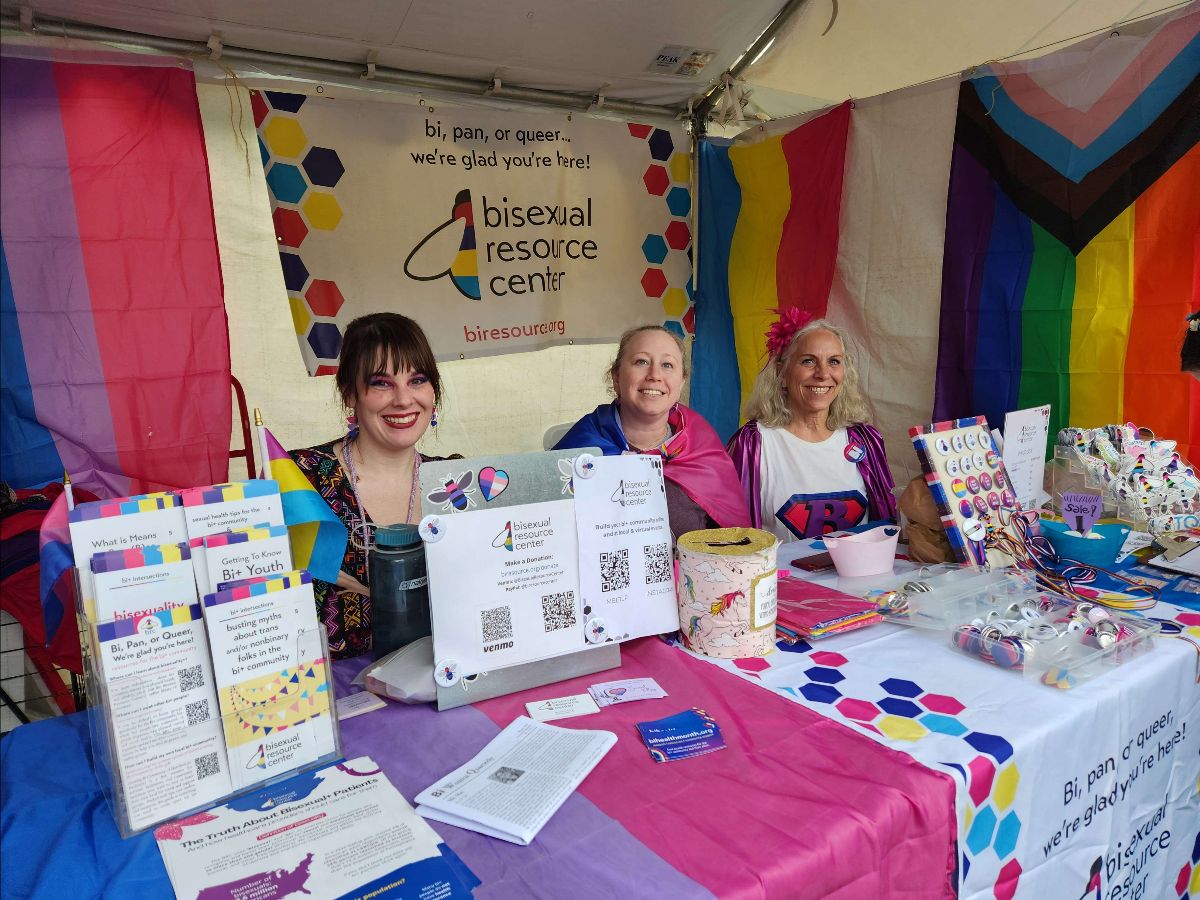
March 24, 2026
Bisexual Health Awareness Month: Bisexuals Talk Agency, Existence, and Inclusion
March marks Bisexual Health Awareness Month. Since 2014, this campaign has been calling attention to bisexual health needs, and pointing people to resources. “Claiming the Right to Care as Bi+ People” is this year’s theme. As healthcare attacks target LGBTQ+ groups, the Bisexual Resource Center urges for health providers to educate themselves on the best possible healthcare options for bisexuals. …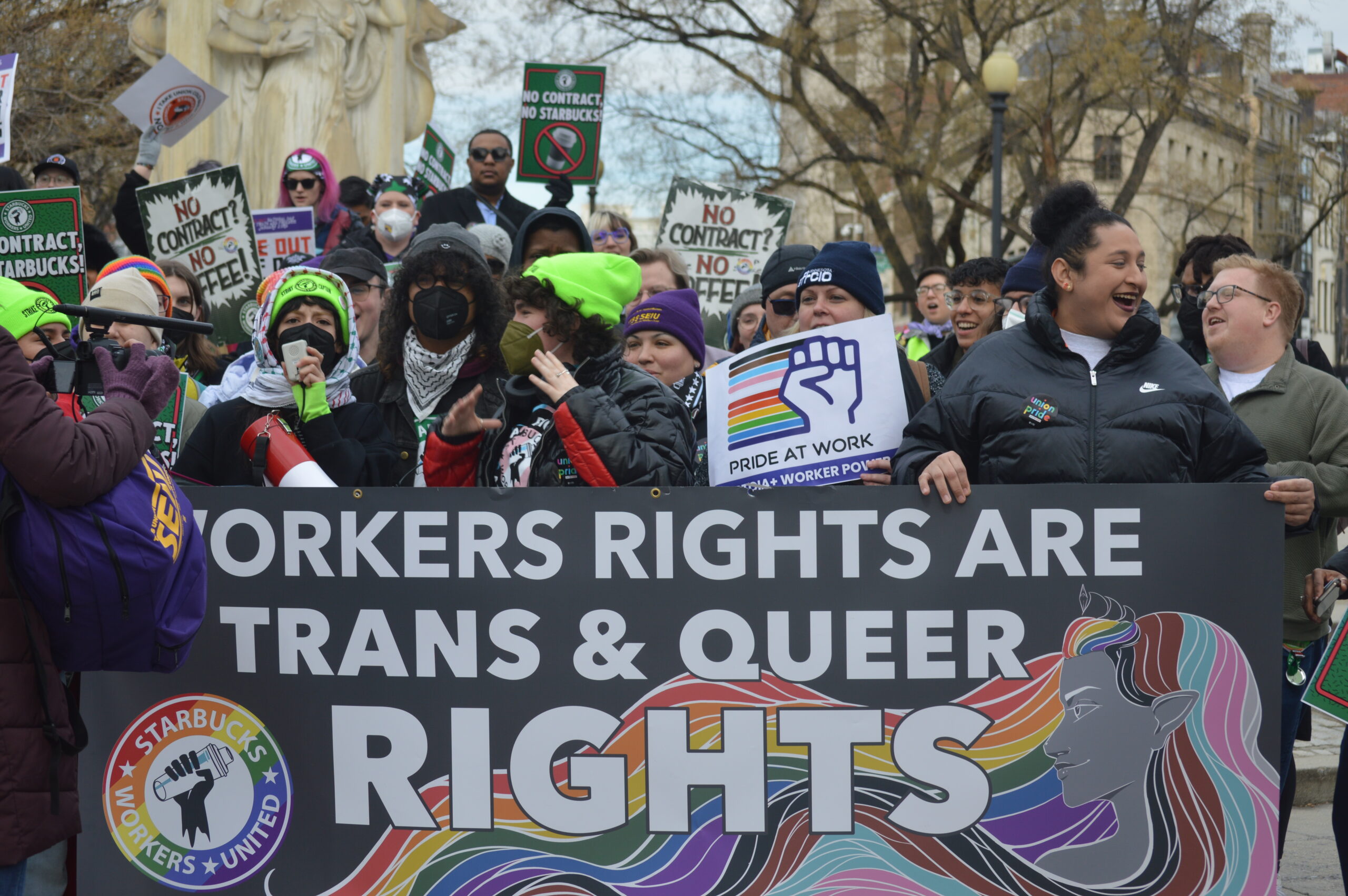
March 5, 2026
What is Affordability? How Does it Affect Us All?
Affordability refers to whether humans can realistically pay for essential goods and services with the income they earn. After the Employment Act of 1946, Congress formally recognized that the federal government has a responsibility for maintaining economic stability and living standards for anyone “able, willing, and seeking to work.” Back then the focus was establishing America’s purchasing power. Since then, affordability has been a major…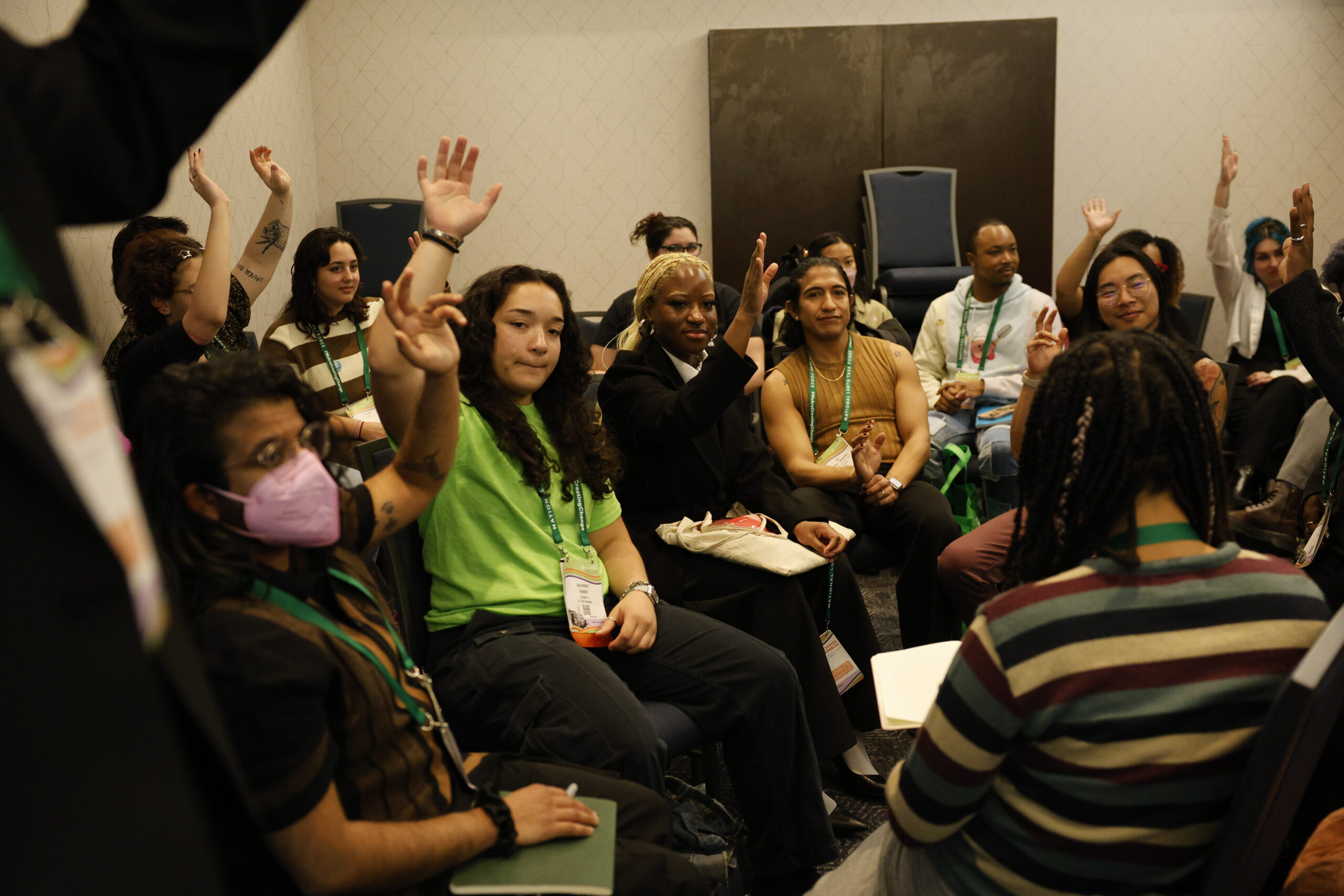
January 26, 2026
We Gathered With Gratitude: Director Fernando López Reflects on 38th Creating Change
Wow! You are Creating Change. We are Creating Change. As we each return home from our time together in DC, with all that we generated together to help our communities bloom, we hope you feel our deepest gratitude. This week was a collective practice. One that does not begin or end when we gather; rather, it is part of a continuum of purposeful process that culminates in a…Get Updates, Actions, and Events
Recent Press Releases

September 4, 2025
National LGBTQ Task Force Announces Dominique Jackson as Host, David Jobin as Local Honoree for inaugural “Be You Ball”
FOR IMMEDIATE RELEASE Contact: Cathy Renna, Communications Director, [email protected] or 917-757-6123 Miami, FL, September 4, 2025 The National LGBTQ Task Force’s annual gala, now dubbed the “Be You Ball,” will take place at the Diplomat Beach Resort in Hollywood, Fla. on October 11, 2025. Dominique Jackson, the actress known for her role as Elektra on…May 5, 2025
International Imperial Court Council and National LGBTQ Task Force to Induct Seven Trans Icons into the “Wall of Honor” at the Historic Stonewall Inn
The National LGBTQ Wall of Honor celebrates LGBTQ pioneers, activists, artists, and leaders who have shaped the movement for equality and liberation.
April 29, 2025